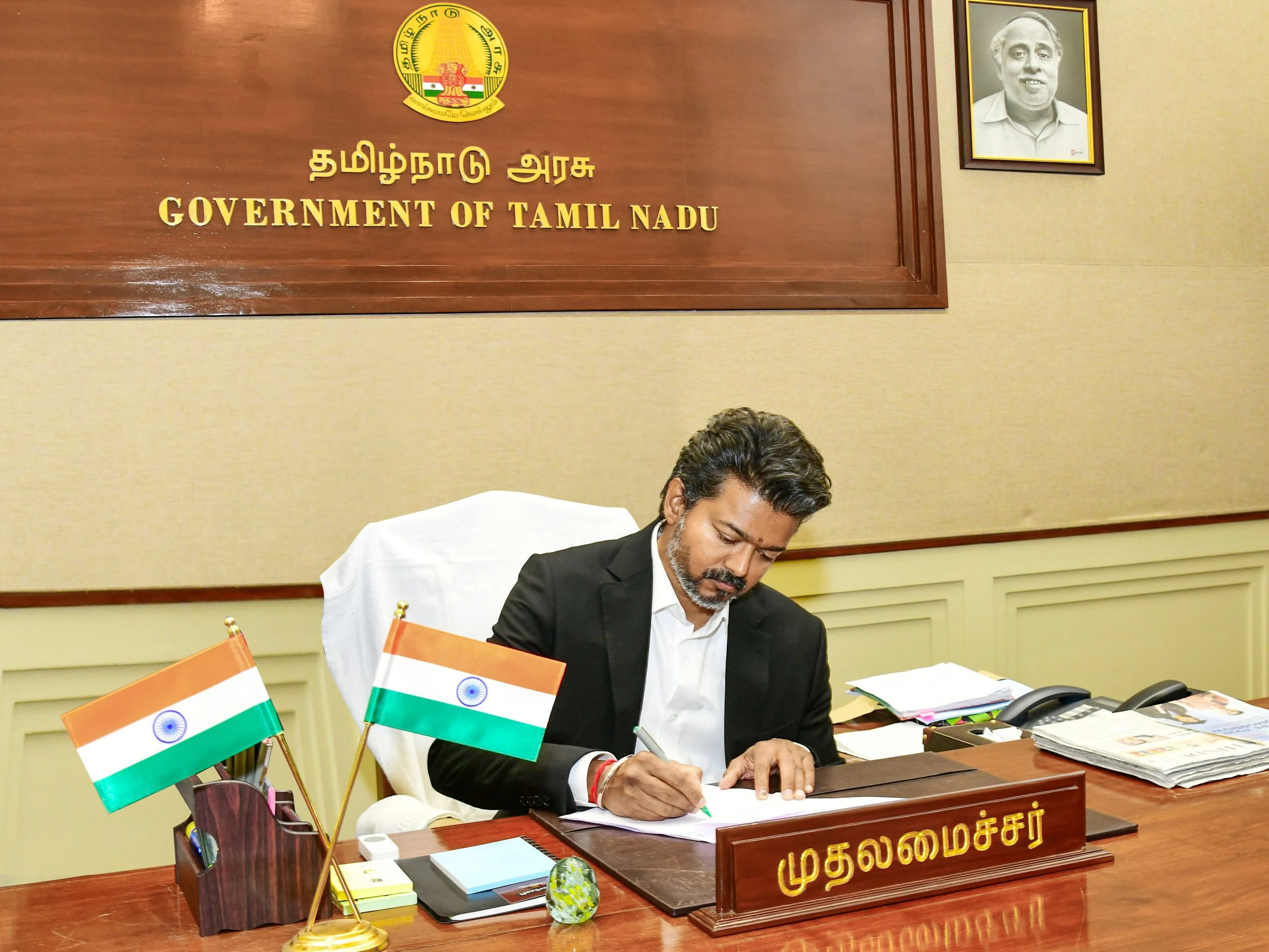
Election Trends 2026 indicate an intense political contest across several states, with the Bharatiya Janata Party leading in key constituencies in West Bengal and Assam, while the National Democratic Alliance (NDA) is ahead in Puducherry. In Tamil Nadu, the Tamilaga Vettri Kazhagam (TVK) has shown notable momentum, while the Indian National Congress is leading in Kerala.
As counting continues, political parties are closely monitoring constituency-wise trends that could shape the political landscape in multiple regions. Early results suggest strong competition between regional parties and national alliances, making the elections highly significant for future political strategies.
In West Bengal, the BJP appears to have gained an advantage in several constituencies, reflecting a continued effort by the party to expand its presence in eastern India. Similarly, in Assam, the party is maintaining its lead in multiple seats as counting progresses.
The NDA alliance is also showing encouraging trends in Puducherry, where alliance politics continue to play a crucial role. Political analysts believe the alliance’s organizational strength and coordinated campaigning may have contributed to its performance in the Union Territory.
Meanwhile, in Tamil Nadu, TVK has attracted attention with strong early trends in selected constituencies. The party’s growing visibility has generated discussions among political observers regarding the evolving political dynamics in the state.
In Kerala, the Congress party is reportedly leading in several seats, strengthening its position in the state’s competitive political environment. Party leaders and workers welcomed the trends while awaiting final results from all counting rounds.
Election officials have maintained strict security and transparency measures at counting centres across states. Multiple rounds of counting are underway, and final outcomes are expected later in the day.
Political experts note that these election trends could influence future alliance strategies, campaign approaches, and voter outreach efforts ahead of upcoming major elections. Regional performances are being seen as key indicators of public sentiment and changing political priorities in different parts of the country.
As the counting process continues, parties remain hopeful of improving their standings in closely contested constituencies. Final results will provide a clearer picture of the electoral mood and the balance of political power across the states involved.