Continuous Rain Forces Temporary Halt to Kedarnath Yatra
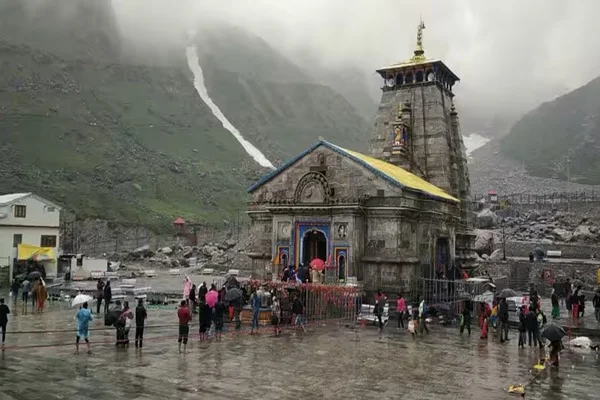
The sacred Kedarnath Yatra in Uttarakhand has been temporarily suspended in Rudraprayag district following continuous rainfall and adverse weather conditions. Authorities took the precautionary decision to halt the pilgrimage to ensure the safety of thousands of devotees traveling to the revered Himalayan shrine.
Officials stated that persistent rain in the region has increased the risk of landslides, falling debris, and road blockages along the pilgrimage route, prompting the administration to suspend the movement of pilgrims until weather conditions improve.
Safety of Pilgrims Remains Top Priority
The district administration and disaster management authorities have emphasized that the temporary suspension is purely a safety measure. Continuous rainfall has affected several stretches of the yatra route, making travel challenging for pilgrims.
Authorities have advised devotees to remain at designated safe locations and follow official instructions. Emergency response teams, police personnel, and disaster management units have been deployed across sensitive areas to monitor the situation and assist travelers if required.
Officials have assured pilgrims that the yatra will resume once weather conditions become favorable and routes are declared safe.
Heavy Rain Impacts Mountain Regions
The ongoing spell of rain has affected multiple parts of Uttarakhand, particularly the hilly districts that witness a large influx of pilgrims during the Char Dham Yatra season.
Mountain roads are especially vulnerable during periods of intense rainfall due to the possibility of landslides and flash floods. As a result, authorities regularly assess weather conditions and route safety before allowing pilgrim movement.
Meteorological agencies have continued to monitor rainfall patterns across the state and issue advisories to local administrations.
Kedarnath Yatra Draws Lakhs of Devotees
Kedarnath Temple, dedicated to Lord Shiva, is one of the holiest shrines in India and forms an important part of the Char Dham Yatra. Every year, lakhs of pilgrims from across the country visit the temple, located at an altitude of over 11,000 feet in the Garhwal Himalayas.
The pilgrimage season generally witnesses significant movement of devotees, making safety and route management critical responsibilities for local authorities.
Despite weather-related disruptions, pilgrim enthusiasm for the yatra remains strong.
Administration Strengthens Monitoring Efforts
Following the rainfall, authorities have intensified monitoring of vulnerable locations along the yatra route. Teams from the State Disaster Response Force (SDRF), National Disaster Response Force (NDRF), police, and local administration are maintaining constant surveillance of weather conditions and road status.
Officials are also coordinating with meteorological agencies to receive real-time weather updates and take timely decisions regarding pilgrim movement.
The administration has urged travelers to check official advisories before continuing their journey.
Importance of Weather Preparedness During Pilgrimages
Weather-related challenges are common during pilgrimages in Himalayan regions due to the difficult terrain and rapidly changing climatic conditions. Experts stress the importance of proper planning, real-time monitoring, and strict adherence to safety guidelines.
Pilgrims are often advised to carry essential supplies, follow designated routes, and remain informed about weather forecasts before undertaking the journey.
Such precautionary measures help reduce risks and ensure a safer pilgrimage experience.
Tourism and Religious Activities Affected
Temporary suspension of the yatra may impact local tourism and business activities that depend heavily on pilgrimage traffic. However, officials maintain that ensuring the safety of visitors remains the foremost priority.
Local authorities are working to restore normal movement as quickly as possible once conditions stabilize.
The administration has also arranged accommodation and support facilities for stranded pilgrims in affected areas.
Conclusion
The temporary suspension of the Kedarnath Yatra in Rudraprayag due to continuous rainfall highlights the challenges posed by adverse weather in mountainous regions. While the halt may cause inconvenience to pilgrims, authorities have emphasized that the decision was taken solely to protect lives and ensure safe travel conditions.
As weather conditions improve and route inspections are completed, officials are expected to resume the pilgrimage in a phased and safe manner. Devotees are advised to stay updated through official announcements and cooperate with authorities during this period.