Railways Intensifies Focus on Passenger Safety
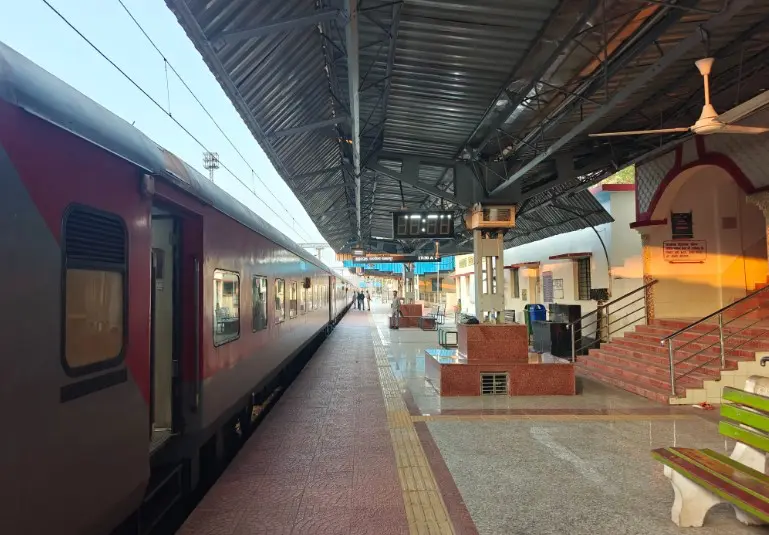
Indian Railways has launched a nationwide fire safety audit drive across railway stations as part of a comprehensive effort to strengthen safety measures and prevent fire-related incidents. The initiative aims to assess existing fire protection systems, identify vulnerabilities, and ensure strict compliance with safety protocols at stations across the country.
Moreover, the move comes amid increased emphasis on passenger safety and infrastructure preparedness in one of the world’s largest railway networks.
Comprehensive Audits to Cover Railway Infrastructure
The fire safety audits will examine critical infrastructure, including station buildings, waiting halls, parking areas, electrical installations, commercial establishments, and other passenger facilities. Officials will assess the availability and functionality of firefighting equipment, emergency exits, alarm systems, and evacuation procedures.
Furthermore, railway authorities are expected to review maintenance records and ensure that fire prevention mechanisms are fully operational.
As a result, the audits aim to strengthen preparedness and reduce potential fire risks.
Focus on Prevention and Emergency Preparedness
The nationwide exercise is designed not only to identify shortcomings but also to improve emergency response capabilities. Railway personnel will be required to verify that fire detection and suppression systems are functioning effectively and that emergency protocols are clearly established. Recent railway directives have already emphasized stricter inspection standards for fire detection and suppression systems in train coaches and related infrastructure.
Additionally, staff training and awareness programs are expected to form an important component of the safety initiative.
Therefore, the audits seek to create a proactive approach to fire prevention and response.
Lessons from Previous Incidents
The importance of robust fire safety measures has been highlighted by past incidents at railway premises. For instance, a major fire at a railway station parking facility in Kerala earlier this year exposed deficiencies in fire protection infrastructure and emergency preparedness, prompting calls for stronger safety oversight.
Moreover, such incidents have reinforced the need for regular inspections and strict compliance with safety standards.
Consequently, Indian Railways is taking preventive measures to minimize similar risks in the future.
Coordination With Local Authorities
Railway officials are expected to work closely with local fire departments, disaster management agencies, and state authorities during the audit process. Joint inspections and emergency preparedness reviews will help ensure that response mechanisms remain effective in the event of an emergency.
Furthermore, recommendations emerging from the audits may lead to infrastructure upgrades and enhanced safety protocols.
As a result, coordination among multiple agencies is expected to strengthen overall safety preparedness.
Passenger Facilities Under Review
Special attention is likely to be given to areas with high passenger footfall, including platforms, food courts, waiting rooms, ticket counters, and parking zones. Authorities will assess whether these locations comply with fire safety norms and possess adequate emergency equipment.
Additionally, station operators and commercial vendors may be instructed to address any deficiencies identified during inspections.
Therefore, passenger-centric facilities remain a key focus of the audit exercise.
Strengthening Safety Culture Across Railways
The nationwide audit aligns with Indian Railways’ broader efforts to enhance operational safety through inspections, modernization, and technology adoption. Safety initiatives covering infrastructure, rolling stock, and passenger services have increasingly become a priority for the railway network.
Moreover, regular audits help build a culture of vigilance and accountability among railway staff and stakeholders.
Consequently, the exercise is expected to contribute to long-term improvements in safety management.
Conclusion
The launch of nationwide fire safety audits by Indian Railways reflects a strong commitment to protecting passengers and safeguarding critical infrastructure. By reviewing fire prevention systems, emergency preparedness measures, and compliance standards across railway stations, the initiative aims to reduce risks and strengthen overall safety.
Moreover, with millions of passengers using railway services daily, proactive safety measures such as these audits play a vital role in ensuring a secure and reliable travel experience throughout the country.