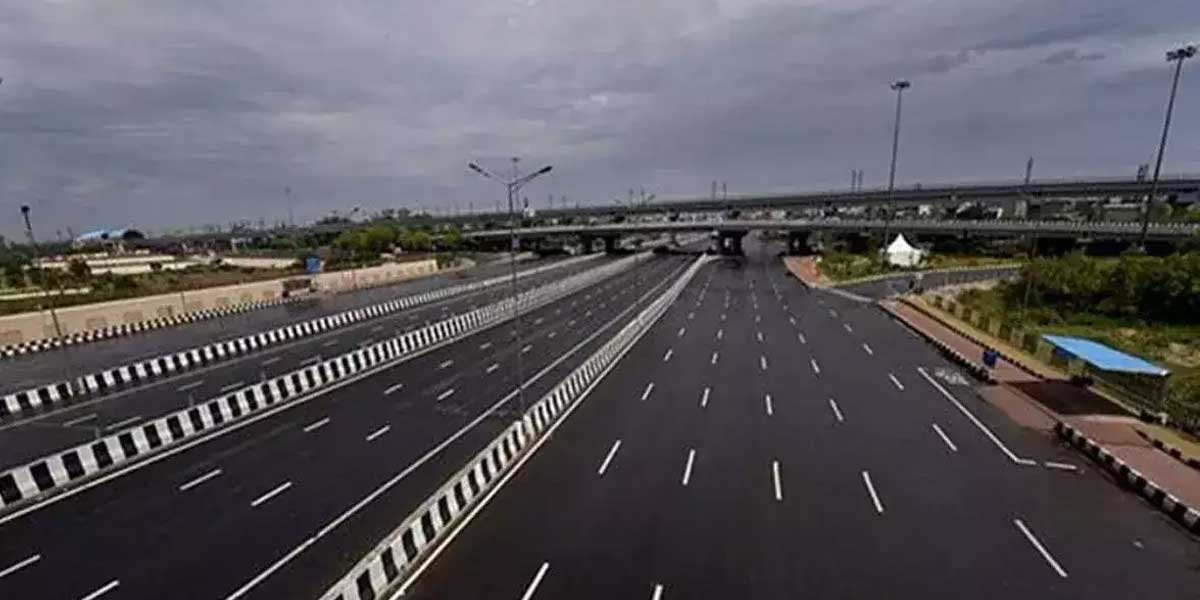
India is witnessing a major transformation in infrastructure as the Ministry of Road Transport and Highways accelerates national highway expansion projects across the country. In 2026, this initiative is not just about building roads—it is about strengthening the backbone of the economy, improving connectivity, and unlocking new growth opportunities.
The government has placed infrastructure at the center of its development strategy, with highways playing a crucial role. National highways connect major cities, industrial hubs, ports, and rural areas, ensuring smooth movement of goods and people. With increasing demand for faster logistics and reduced travel time, the expansion of highways has become more important than ever.
One of the flagship initiatives driving this growth is the Bharatmala Pariyojana. Under this program, thousands of kilometers of highways are being developed to improve freight corridors and economic routes. The focus is on building high-quality roads that enhance efficiency and reduce congestion, especially in high-traffic regions.
Another key aspect of the expansion is the development of greenfield expressways. These are newly built highways designed for high-speed travel, connecting important economic zones. Such projects are expected to significantly cut down travel time between cities and improve overall productivity.
To ensure faster execution, the government has introduced several reforms. These include simplified approval processes, better financing models, and improved coordination between central and state agencies. As a result, project completion timelines are improving, and delays are being reduced.
The impact of national highway expansion goes far beyond transportation. It plays a vital role in boosting economic growth by lowering logistics costs, which is crucial for businesses and industries. Better roads also attract investments, promote tourism, and create employment opportunities in construction and related sectors.
Rural connectivity is another major benefit. Improved highways help connect remote villages to urban markets, enabling farmers and small businesses to access better opportunities. This contributes to balanced regional development and reduces the urban-rural divide.
However, the expansion drive is not without challenges. Land acquisition remains a significant hurdle in many projects. Additionally, rising material costs and environmental concerns require careful planning and sustainable solutions. The government is increasingly focusing on eco-friendly construction practices and better project management to address these issues.
In conclusion, the national highway expansion in India marks a significant step toward building a modern and efficient infrastructure network. With strong policy support and continuous investment, India is moving closer to becoming a global economic powerhouse. As highways expand and connectivity improves, the benefits will be felt across sectors—driving growth, enhancing mobility, and shaping the future of the nation.