Tensions between the United States and Iran have escalated once again following fresh military incidents, growing diplomatic deadlock, and rising concerns over security in the Strait of Hormuz. The latest developments have increased fears of a wider regional conflict and triggered volatility in global energy markets.
The recent escalation comes after reports of drone attacks near the Barakah nuclear power plant in the United Arab Emirates. UAE authorities blamed Iran or Iran-backed proxy groups for the attack, describing it as a dangerous escalation in regional tensions. Although there were no radiation leaks or casualties, the incident raised international concerns about the safety of critical infrastructure in the Gulf region.
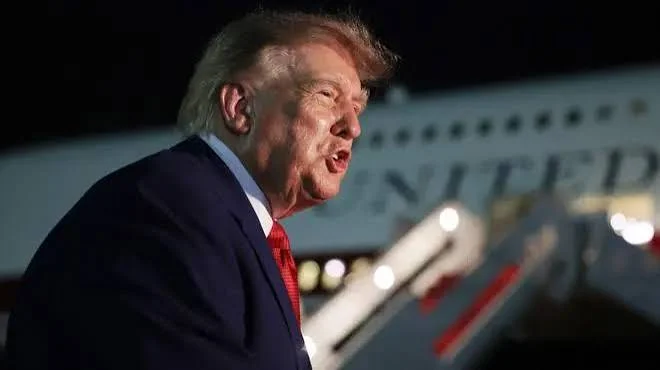
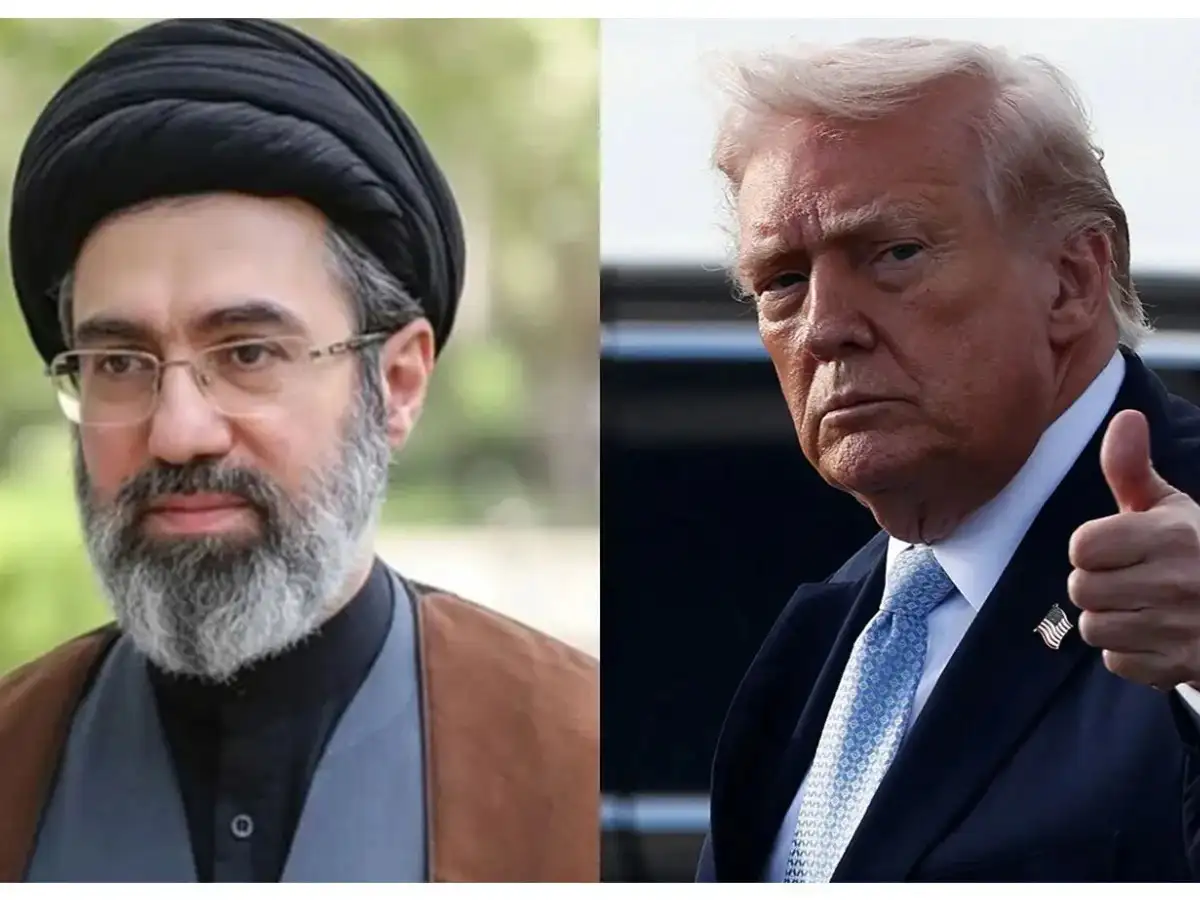
US President Donald Trump issued a strong warning to Tehran, stating that “the clock is ticking” and indicating that tougher military action could follow if diplomatic negotiations fail to progress. American officials have reportedly been considering additional military options while continuing indirect negotiations regarding Iran’s nuclear program and regional security issues.
The Strait of Hormuz remains at the center of the crisis. The strategic waterway handles a major portion of global oil shipments, and repeated clashes between US and Iranian forces have disrupted maritime movement in the region. Reports indicate that both countries recently exchanged missile and drone attacks near Gulf waters, despite an existing fragile ceasefire agreement.
Iran has warned the United States against increasing military activity in the Gulf and has threatened retaliation if American forces intensify operations near Iranian territory. Iranian officials stated that the country is fully prepared to respond to “any aggression” while accusing Washington of violating ceasefire understandings and increasing regional instability.
The worsening situation has also impacted global financial and energy markets. Oil prices have surged due to fears of supply disruptions, while shipping companies and airlines are facing rising operational costs linked to instability in the Gulf region. International businesses and investors remain concerned about the possibility of prolonged geopolitical tensions affecting trade and economic growth.
Diplomatic efforts are still ongoing through intermediaries including regional allies and international partners. However, major disagreements continue over sanctions relief, Iran’s nuclear activities, and security guarantees. Analysts believe that without meaningful diplomatic progress, the possibility of further military escalation remains high.
Global leaders and international organizations have urged both sides to exercise restraint and prioritize dialogue to prevent a broader conflict in the Middle East. The international community remains closely focused on developments as tensions continue to rise across the region.