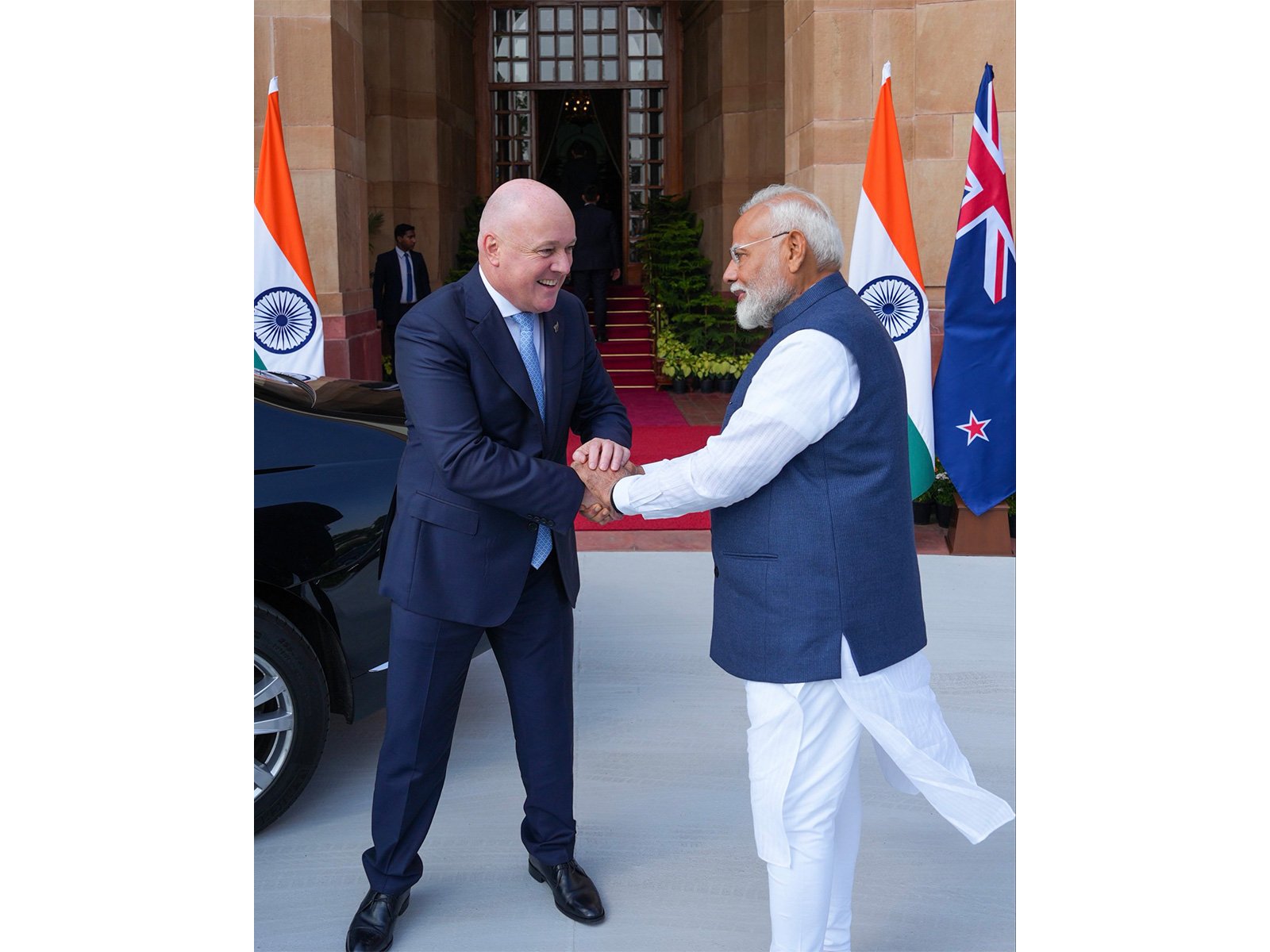
Narendra Modi has described the proposed India–New Zealand Free Trade Agreement (FTA) as a “landmark moment” that will inject unprecedented momentum into the bilateral developmental partnership between India and New Zealand.
🌐 A New Chapter in Bilateral Relations
The FTA marks a significant step toward strengthening economic ties between the two nations. It aims to enhance trade flows, reduce tariffs, and create new opportunities for businesses, investors, and professionals on both sides.
📈 Key Benefits of the FTA
- Boost in Trade and Investment: Lower trade barriers are expected to increase exports and imports across sectors such as agriculture, technology, and services.
- Market Access: Indian businesses will gain better access to New Zealand’s markets, while New Zealand exporters will benefit from India’s large consumer base.
- Job Creation: Increased trade and collaboration could lead to employment generation in both countries.
- Innovation & Technology Exchange: The agreement may foster partnerships in areas like education, research, and digital innovation.
🤝 Strengthening Developmental Partnership
Narendra Modi emphasized that the agreement is not just about trade but also about deepening cooperation in critical sectors such as:
- Sustainable development
- Climate action
- Agriculture and food processing
- Education and skill development
🌏 Strategic Importance
For India, the FTA aligns with its broader strategy to expand global trade partnerships and strengthen its presence in the Indo-Pacific region. For New Zealand, it opens up access to one of the world’s fastest-growing major economies.
✨ Conclusion
Calling it a transformational step, Narendra Modi highlighted that the India–New Zealand FTA will act as a catalyst for deeper economic engagement and long-term collaboration, paving the way for shared prosperity and stronger diplomatic ties.