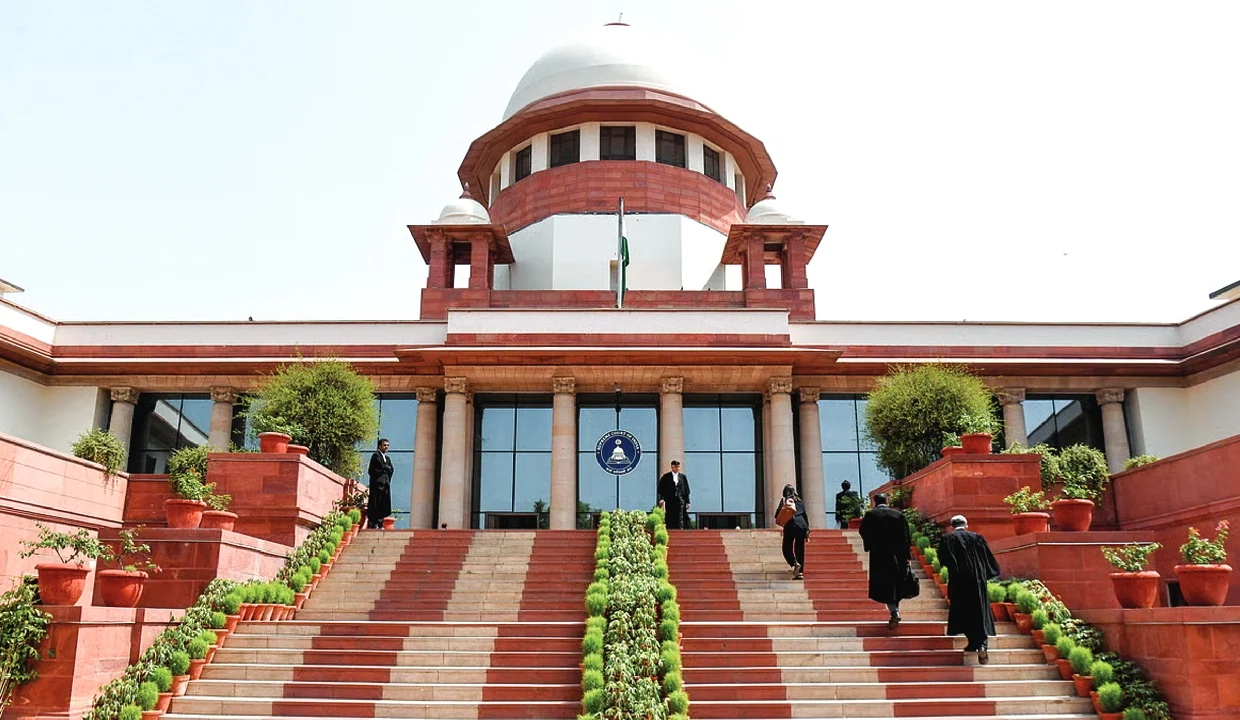
Supreme Court Confirms Convictions in 1983 Bihar Murder Case
The Supreme Court of India has upheld the convictions in a 1983 murder case from Bihar involving the killing of five people. The decision marks a significant development in a case that has remained part of the judicial system for decades.
The apex court’s ruling reaffirmed the findings of the lower courts and maintained the convictions of the accused in connection with the brutal killings that took place over forty years ago.
Case Related to Multiple Murders in Bihar
According to reports, the case involved the murder of five individuals during a violent incident in Bihar in 1983. The matter had gone through multiple stages of judicial review over the years before reaching the Supreme Court.
The Court examined the evidence, witness testimonies, and legal arguments presented during the proceedings before delivering its judgment.
The ruling highlights the judiciary’s continued commitment to ensuring justice, even in long-pending criminal cases.
Supreme Court Emphasizes Rule of Law
While upholding the convictions, the Supreme Court of India reportedly observed that serious criminal offences affecting public order and human life must be dealt with firmly under the law.
The judgment reflects the importance of accountability in cases involving grave crimes and reinforces confidence in the judicial process.
Legal experts believe the decision demonstrates that delays in legal proceedings do not diminish the seriousness of criminal offences.
Importance of Judicial Review in Criminal Cases
Criminal cases involving multiple murders often undergo extensive legal scrutiny due to the severity of the charges and the need for fair trial procedures. Courts examine evidence carefully to ensure that justice is delivered based on established legal principles.
The Supreme Court’s role in reviewing such cases is considered crucial in maintaining consistency and fairness in the legal system.
The verdict in the 1983 Bihar case also underlines the importance of witness evidence, investigation procedures, and judicial assessment in criminal trials.
Impact of the Verdict
The ruling is expected to bring closure to a case that has remained in the legal system for decades. Families affected by the incident and legal observers have closely followed the proceedings over the years.
The judgment also sends a broader message regarding the legal consequences of violent crimes and the judiciary’s responsibility to uphold justice.
India’s Judicial System and Long-Pending Cases
India’s courts continue to handle several long-pending criminal matters involving serious offences. Legal experts often stress the need for faster judicial processes while ensuring fairness and due process.
The decision by the Supreme Court of India reflects the judiciary’s ongoing efforts to address complex criminal cases through detailed legal examination and constitutional principles.