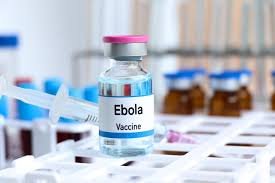
Russia Develops New Ebola Vaccine
Russian scientists have reportedly developed a new vaccine targeting the latest strain of the Ebola virus. The development marks an important step in global efforts to strengthen protection against one of the world’s most dangerous infectious diseases.
Researchers involved in the project stated that the vaccine has been designed to improve effectiveness against newer variants of the virus while enhancing immune response and safety standards.
The announcement has attracted international attention as health experts continue to monitor Ebola outbreaks reported in certain parts of the world.
Focus on Combating Emerging Ebola Strains
The Ebola virus is known for causing severe illness and has led to multiple outbreaks over the years, particularly in parts of Africa. Scientists continuously study new strains of the virus to improve vaccines and treatment methods.
According to reports, the newly developed Russian vaccine aims to address challenges linked to evolving virus mutations. Researchers believe updated vaccines can help improve preparedness against future outbreaks.
The development also reflects the growing importance of global scientific cooperation in handling infectious diseases.
Importance of Vaccine Research
Vaccines remain one of the most effective tools for preventing the spread of deadly diseases. Health experts emphasize that continuous medical research is necessary because viruses can change over time.
The new vaccine reportedly underwent laboratory research and scientific evaluation before being introduced for further testing and review. Researchers are expected to continue monitoring its effectiveness and safety.
Medical experts believe innovations in vaccine technology can strengthen global healthcare systems and improve outbreak response capabilities.
Understanding Ebola Virus Disease
Ebola Virus Disease is a serious illness that spreads through direct contact with infected bodily fluids or contaminated materials. The disease can lead to severe complications and has a high fatality rate if not treated early.
Common symptoms include:
- Fever
- Fatigue
- Muscle pain
- Vomiting
- Diarrhea
- Bleeding in severe cases
Early detection, isolation, and vaccination are considered key strategies for controlling outbreaks.
Global Health Community Monitoring Developments
International health organizations and medical researchers continue to closely monitor advancements related to Ebola vaccines and treatments. Improved vaccines can help reduce health risks in regions vulnerable to outbreaks.
The development of the Russian vaccine also highlights the role of scientific innovation in strengthening pandemic preparedness and public health security worldwide.
Experts believe continued investment in medical research and international collaboration will remain essential for combating infectious diseases in the future.
Continued Focus on Public Health Preparedness
Governments and healthcare institutions around the world continue to prioritize disease surveillance and emergency preparedness. New vaccine developments provide hope for faster and more effective responses during future health emergencies.
The latest breakthrough by Russian scientists may contribute to broader global efforts aimed at improving Ebola prevention and protecting vulnerable populations.