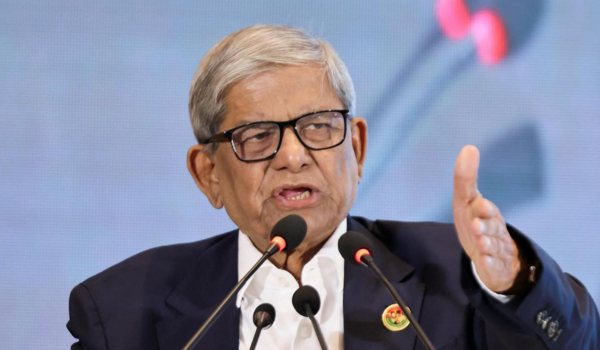
Global Climate Summit 2026 has emerged as a critical platform for world leaders, scientists, and environmental activists to address the growing urgency of climate change and the need for immediate carbon reduction. As global temperatures continue to rise and extreme weather events become more frequent, the summit underscores the importance of collective action to safeguard the planet’s future.
At the heart of the Global Climate Summit 2026 discussions is the commitment to significantly reduce greenhouse gas emissions. Countries have been urged to adopt stricter carbon targets aligned with international climate agreements, ensuring that global warming remains within manageable limits. Developed nations are also expected to take greater responsibility by accelerating their transition to renewable energy sources and supporting developing countries in their climate efforts.
Renewable energy has been a major focus area during the summit. Solar, wind, and green hydrogen technologies are being promoted as sustainable alternatives to fossil fuels. Governments and private sector leaders are collaborating to increase investments in clean energy infrastructure, aiming to reduce dependency on coal and oil. These efforts are seen as essential for achieving long-term environmental and economic stability.
Another important theme of the Global Climate Summit 2026 is climate finance. Developing nations have emphasized the need for financial support to implement climate adaptation and mitigation strategies. Funding mechanisms, including climate funds and green bonds, are being discussed to ensure that vulnerable countries can build resilience against climate impacts such as floods, droughts, and rising sea levels.
The summit also highlights the role of innovation and technology in combating climate change. Advanced solutions such as carbon capture, energy storage systems, and sustainable agriculture practices are being explored. These innovations not only help reduce emissions but also create new economic opportunities and jobs in the green economy.
Climate justice has become a central concern, with many leaders stressing the importance of equitable solutions. Communities that contribute the least to global emissions are often the most affected by climate change. The Global Climate Summit 2026 calls for fair policies that protect these vulnerable populations and ensure inclusive development.
Despite strong commitments, experts warn that implementation remains the biggest challenge. Past climate pledges have often fallen short due to lack of enforcement and political will. Therefore, the summit emphasizes accountability, transparency, and regular monitoring of progress.
In conclusion, Global Climate Summit 2026 represents a crucial moment in the global fight against climate change. With urgent carbon reduction at its core, the summit reflects a growing recognition that immediate and sustained action is necessary. The decisions made here will play a significant role in shaping a sustainable and resilient future for generations to come.