Iran Escalates Response Following New US Attacks
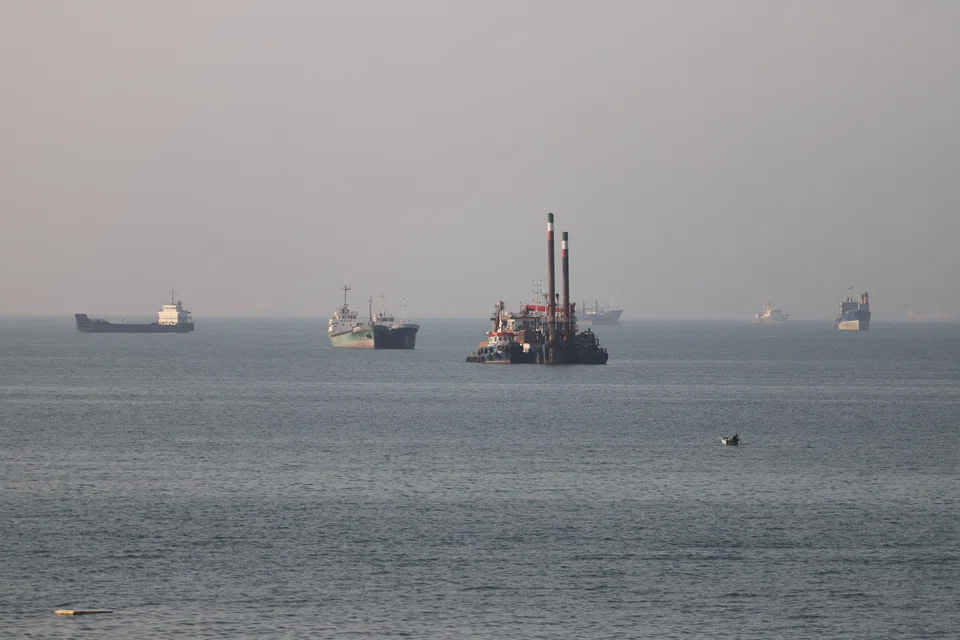
Iran has announced the closure of the Strait of Hormuz, one of the world’s most critical maritime chokepoints, following a fresh round of US military strikes on Iranian targets. Tehran’s top military command declared that all vessels, including oil tankers and commercial ships, would be barred from passing through the strategic waterway and warned that any vessel attempting transit could face military action.
Moreover, the move marks a major escalation in the ongoing confrontation between the United States and Iran and has heightened concerns about regional stability and global energy security.
Fresh US Strikes Trigger Iranian Action
The announcement came after US Central Command (CENTCOM) confirmed a second consecutive day of military strikes against multiple Iranian targets. According to US officials, the attacks targeted military infrastructure, surveillance facilities, and other strategic assets within Iran.
Furthermore, President Donald Trump warned that additional military action could follow if Tehran refuses to accept a proposed agreement currently under discussion between the two countries.
As a result, tensions across West Asia have intensified significantly.
Strait of Hormuz Holds Global Importance
The Strait of Hormuz connects the Persian Gulf with the Gulf of Oman and the Arabian Sea and serves as one of the world’s most important energy transit routes. A substantial share of global crude oil and liquefied natural gas exports passes through the narrow waterway each day.
Additionally, the strait is vital for major energy-exporting nations in the Gulf, making any disruption a matter of international concern.
Therefore, Iran’s announcement has triggered immediate reactions from governments, shipping companies, and energy markets worldwide.
Oil Markets React to Rising Risks
Global oil prices rose following reports of the closure, with traders assessing the possibility of supply disruptions. Brent crude and West Texas Intermediate (WTI) futures moved higher amid fears that prolonged restrictions on maritime traffic could tighten global energy supplies.
Moreover, analysts warned that sustained disruptions in the Strait of Hormuz could push crude oil prices toward the $100-per-barrel mark and increase inflationary pressures on economies worldwide.
Consequently, financial markets are closely monitoring developments in the region.
Regional Security Situation Worsens
The latest escalation comes amid reports of Iranian missile and drone attacks targeting locations hosting US military personnel in Bahrain, Kuwait, and Jordan. Several Gulf nations activated air-defense systems as tensions spread across the region.
Furthermore, Iran’s Revolutionary Guard reportedly claimed attacks on vessels in and around the Strait of Hormuz following the US strikes.
As a result, fears of a broader regional conflict have increased.
International Community Calls for Restraint
Governments and international organizations have urged both sides to exercise restraint and avoid further escalation. Concerns have been raised that continued military exchanges could disrupt global trade, energy supplies, and maritime security throughout the Gulf region.
Moreover, diplomatic efforts aimed at securing a broader agreement between Washington and Tehran face increasing challenges as military actions continue.
Impact on Global Shipping
Shipping companies and maritime operators are assessing the risks associated with navigation through the Gulf region. Any sustained closure of the Strait of Hormuz could affect commercial shipping routes, increase transportation costs, and delay cargo movements across international markets.
Additionally, energy-importing countries are evaluating contingency plans to mitigate potential supply disruptions.
Therefore, the situation remains a key concern for global trade and energy security.
Conclusion
Iran’s announcement of the closure of the Strait of Hormuz following fresh US military strikes marks a significant escalation in the ongoing crisis between Washington and Tehran. The move has heightened concerns over regional stability, global energy supplies, and international shipping operations.
Moreover, with military exchanges continuing and diplomatic efforts under pressure, the coming days will be crucial in determining whether tensions can be contained or evolve into a broader regional confrontation.