DGCA Ebola guidelines for airlines have come into focus after India’s aviation regulator issued fresh directives to airlines following the World Health Organization’s declaration of the Ebola outbreak in parts of Africa as a Public Health Emergency of International Concern (PHEIC). The move is aimed at strengthening passenger screening, inflight safety measures, and preparedness at airports to prevent any possible spread of the disease into India.
The guidelines were issued by the Directorate General of Civil Aviation after concerns emerged over Ebola cases linked to Uganda and the Democratic Republic of the Congo.
DGCA Issues New Safety Directives for Airlines
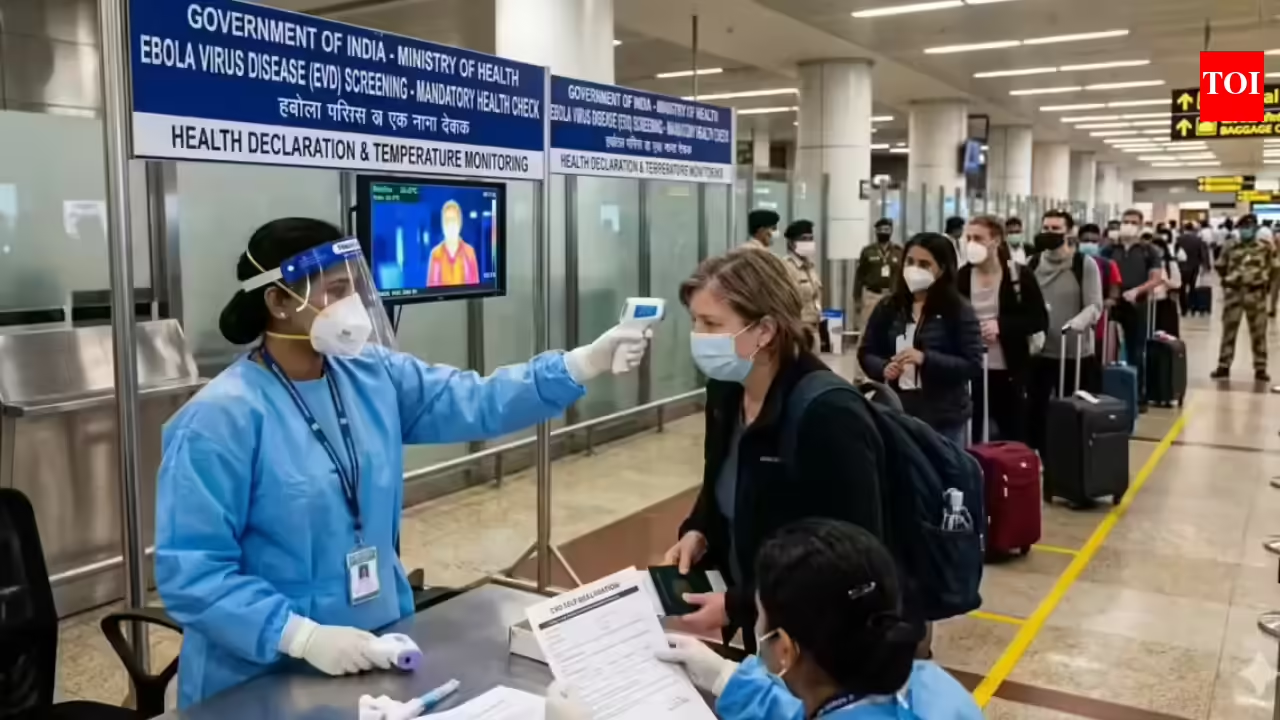
The Directorate General of Civil Aviation directed airlines operating direct or indirect routes connected to Ebola-affected regions to follow strict health protocols.
Major Measures Announced
- Mandatory self-declaration forms for passengers
- Health monitoring for travellers arriving from affected countries
- Special inflight announcements regarding Ebola symptoms
- Immediate reporting of suspected cases to airport health authorities
- Enhanced coordination with health and immigration officials
The aviation regulator has asked airlines to remain fully vigilant and ensure compliance with the Ministry of Health guidelines.
WHO Declares Ebola Outbreak a Health Emergency
The World Health Organization recently classified the Ebola outbreak linked to the Bundibugyo virus strain as a Public Health Emergency of International Concern.
Why WHO Raised the Alert
According to WHO:
- Confirmed and suspected Ebola cases have been reported in affected regions
- Cross-border transmission risk remains high
- Healthcare workers have also been impacted
- Population mobility increases the risk of international spread
The outbreak has mainly affected parts of the Democratic Republic of the Congo and Uganda.
Health Protocols for International Travellers
Under the new guidelines, airlines must ensure travellers complete mandatory declarations before arrival in India.
Symptoms Highlighted in Advisory
Passengers have been advised to immediately report symptoms such as:
- Fever
- Weakness
- Vomiting
- Diarrhoea
- Headache
- Bleeding or rash
Authorities stated that early reporting is important for quick medical intervention and preventing transmission.
India Steps Up Preparedness
The Ministry of Health and Family Welfare has also issued advisories to states and Union Territories to strengthen surveillance and preparedness systems.
Key Preparedness Measures
Enhanced Airport Surveillance
Monitoring of international passengers arriving from high-risk regions.
Isolation Facilities
Hospitals and health centres have been asked to prepare isolation units if required.
Training Healthcare Staff
Medical personnel are being trained in Ebola response protocols.
Travel Advisory Issued
India has advised citizens to avoid non-essential travel to affected regions.
Why the Situation Matters Globally
Ebola outbreaks often trigger international concern because of the disease’s high fatality rate and potential for rapid spread.
Global Concerns Include
- International travel-related transmission
- Pressure on healthcare systems
- Need for coordinated global response
- Economic and travel disruptions
Health agencies across the world are closely monitoring the evolving situation.
No Ebola Case Reported in India So Far
Indian authorities have clarified that no Ebola case linked to the current outbreak has been reported in the country so far. However, surveillance and monitoring measures have been intensified as a precautionary step.
Conclusion
The development around DGCA Ebola guidelines for airlines reflects India’s precautionary approach toward protecting public health and aviation safety. With the WHO declaring the Ebola outbreak a global health emergency, Indian authorities are focusing on early detection, surveillance, and strict travel protocols to minimise risk.
As global travel networks remain highly interconnected, coordinated action between aviation authorities and health agencies will continue to play a crucial role in outbreak preparedness and response.