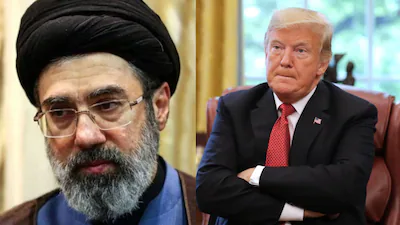
Iran US talks in Qatar framework agreement discussions have entered an important phase as officials from Iran and the United States indicated that progress has been made toward a possible framework understanding during negotiations held in Qatar.
The talks are taking place amid ongoing regional tensions, concerns over the Strait of Hormuz, and broader efforts to reduce conflict in the Middle East. Both Washington and Tehran have signalled cautious optimism, although officials clarified that a final agreement has not yet been reached.
Progress Reported in Qatar Negotiations
Negotiators from both countries reportedly discussed broad principles for a potential framework agreement aimed at reducing tensions and stabilising the region.
What Officials Said
According to reports:
- Both sides acknowledged progress in discussions
- Talks focused on ceasefire-related arrangements and regional stability
- Discussions also involved maritime security and economic concerns
- No final deal or formal signing has taken place yet
Iranian officials stated that conclusions had been reached on several topics, while American representatives expressed hope that negotiations could move forward in the coming days.
Why Qatar is Hosting the Talks
Qatar has increasingly played the role of mediator in regional diplomatic efforts.
Importance of Qatar’s Role
Neutral Diplomatic Channel
Qatar maintains communication channels with both Iran and the United States.
Regional Mediation Experience
The country has previously hosted sensitive negotiations involving regional conflicts and international disputes.
Strategic Importance
Its location and diplomatic relationships make it a key player in Middle East diplomacy.
The ongoing talks further strengthen Qatar’s role as an important diplomatic bridge in the region.
Focus on the Strait of Hormuz
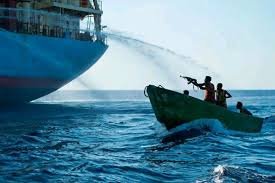
One of the central concerns in the negotiations remains the reopening and security of the Strait of Hormuz.
Why the Strait Matters
- Nearly one-fifth of global oil trade passes through the route
- Any disruption impacts international energy markets
- Shipping, insurance, and fuel prices are directly affected
US officials have stressed that the route must remain open for global trade, while Iran has also indicated support for maintaining maritime stability under agreed conditions.
Challenges Still Remain
Despite signs of progress, major differences continue between the two sides.
Key Issues Yet to Be Resolved
Nuclear Concerns
Questions around uranium enrichment and future nuclear oversight remain sensitive topics.
Sanctions and Frozen Assets
Iran has reportedly linked progress to economic relief measures, including access to frozen funds.
Military Activity in the Region
Recent US strikes in southern Iran have complicated the atmosphere surrounding negotiations.
Officials from both countries have therefore avoided declaring any immediate breakthrough.
Global Impact of the Talks
The outcome of the negotiations could have major international implications.
Potential Effects
- Stabilisation of global oil markets
- Reduction in military tensions in the Middle East
- Improved maritime security
- Positive impact on international trade and energy supply chains
Countries dependent on Gulf oil exports, including India, are closely monitoring developments.
International Reactions
Global powers and analysts are watching the Qatar talks carefully.
Why the Talks Matter Globally
- The US-Iran relationship influences regional stability
- Energy markets remain highly sensitive to Middle East tensions
- Diplomatic progress could reduce the risk of wider conflict
Several observers have described the current phase as fragile but potentially significant for future regional diplomacy.
Conclusion
The ongoing Iran US talks in Qatar framework agreement discussions indicate cautious movement toward reducing tensions between Tehran and Washington. While both sides have acknowledged progress, unresolved issues related to sanctions, nuclear policy, and regional security continue to pose challenges.
As negotiations continue in Qatar, the international community will closely watch whether diplomatic engagement can eventually lead to a stable and lasting understanding in the Middle East.