PM SVANidhi Emerges as a Lifeline for Street Vendors
Launched in June 2020 during the challenging period of the COVID-19 pandemic, the Prime Minister Street Vendor’s AtmaNirbhar Nidhi (PM SVANidhi) scheme has become a powerful tool for empowering street vendors across India. What began as an emergency support initiative has evolved into a transformative program that is helping millions of small entrepreneurs move from mere survival to genuine self-reliance.
The scheme was introduced to provide affordable working capital loans to street vendors whose livelihoods were severely affected by lockdowns and economic disruptions. Over the years, PM SVANidhi has emerged as a significant example of financial inclusion and grassroots economic empowerment.
Financial Support for the Informal Sector
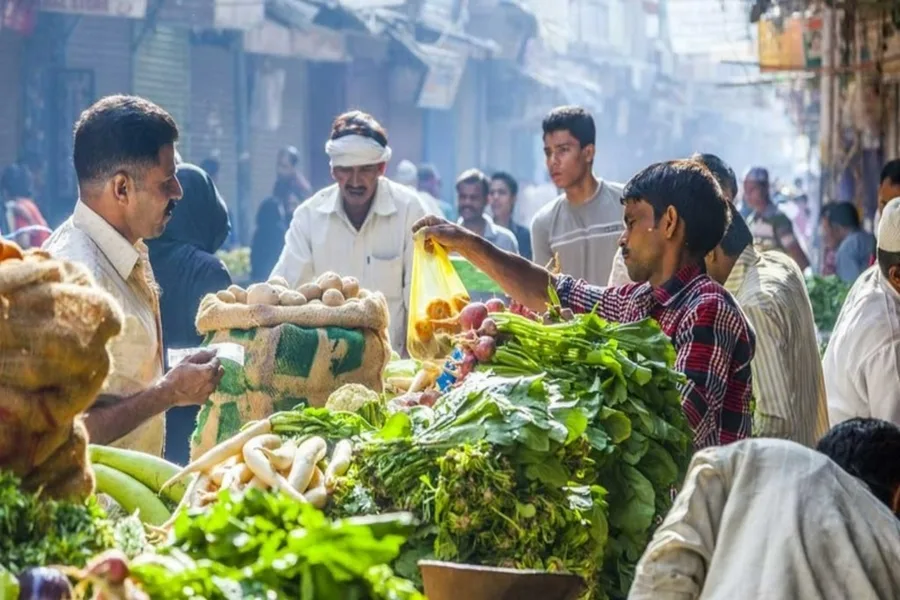
Street vendors form an important part of India’s urban economy. They provide affordable goods and services while creating employment opportunities for themselves and others. However, many vendors traditionally lacked access to formal banking systems and often relied on high-interest informal loans.
PM SVANidhi addressed this challenge by offering collateral-free working capital loans to eligible vendors. The scheme initially provided loans of up to ₹10,000, with opportunities for higher loan amounts upon successful repayment.
This access to formal credit has helped vendors restock goods, expand businesses, and recover from economic setbacks.
Promoting Financial Inclusion
One of the key achievements of PM SVANidhi has been bringing street vendors into the formal financial ecosystem. Through the scheme, beneficiaries are encouraged to open bank accounts, use digital payment platforms, and build credit histories.
The initiative has helped thousands of vendors establish relationships with financial institutions for the first time. As a result, many beneficiaries now have greater access to banking services and future credit opportunities.
Financial inclusion not only supports business growth but also strengthens long-term economic security for vendors and their families.
Encouraging Digital Transactions
PM SVANidhi has also played a major role in promoting digital payments among street vendors. Beneficiaries receive incentives for adopting digital transaction methods, encouraging a shift toward cashless business operations.
The adoption of QR codes, UPI payments, and digital wallets has enabled vendors to serve customers more efficiently while maintaining transparent financial records.
Digital transactions have helped many small businesses improve credibility and participate more actively in India’s growing digital economy.
Empowering Women Entrepreneurs
A significant number of PM SVANidhi beneficiaries are women entrepreneurs who run small businesses to support their families. Access to affordable credit has allowed many women vendors to strengthen their enterprises, increase earnings, and achieve greater financial independence.
The scheme has contributed to women’s economic empowerment by providing resources that help them expand their businesses and improve household incomes.
For many women, the initiative has become a pathway toward entrepreneurship and self-confidence.
Positive Impact on Urban Livelihoods
The success of PM SVANidhi extends beyond individual vendors. By supporting small businesses, the scheme has contributed to local economic activity, job creation, and community development.
Street vendors play a vital role in urban supply chains by providing essential goods and services in neighborhoods across the country. Their financial stability directly impacts local economies and consumer access to affordable products.
The program has therefore strengthened both livelihoods and urban economic resilience.
Building an Atmanirbhar India
The PM SVANidhi scheme aligns closely with the vision of an Atmanirbhar Bharat (Self-Reliant India). By empowering micro-entrepreneurs and supporting grassroots economic activity, the initiative demonstrates how targeted government interventions can create sustainable economic opportunities.
The scheme has shown that access to finance, digital tools, and institutional support can significantly improve the lives of individuals working in the informal sector.
Its success highlights the importance of inclusive development strategies that reach citizens at the grassroots level.
Looking Ahead
As the scheme continues to expand, experts believe it can play an even greater role in strengthening India’s informal economy. Enhanced financial literacy programs, skill development initiatives, and digital training could further improve outcomes for beneficiaries.
Continued support for street vendors will remain essential as cities grow and urban economies evolve.
The PM SVANidhi model may also serve as an example for future programs aimed at supporting micro-entrepreneurs and small businesses across various sectors.
Conclusion
From providing emergency financial relief during a crisis to enabling long-term economic empowerment, PM SVANidhi has transformed the lives of millions of street vendors across India. The scheme has helped beneficiaries gain access to credit, embrace digital payments, and build sustainable livelihoods.
Its journey from supporting survival to fostering self-reliance stands as a remarkable example of inclusive growth and grassroots entrepreneurship, reinforcing the vision of a stronger and more self-reliant India.