Gaza Faces Difficult Eid Amid Ongoing Crisis
As Muslims around the world prepare to celebrate Eid al-Adha, families in Gaza Strip are facing one of the most difficult festive seasons in recent years. Ongoing conflict, economic hardship, shortages of essential supplies, and the near absence of livestock have deeply affected preparations for the important religious festival.
Despite the challenges, many Palestinians continue to hold onto hope and faith while trying to preserve the spirit of Eid for their families and children.
Shortage of Livestock Impacts Eid Traditions
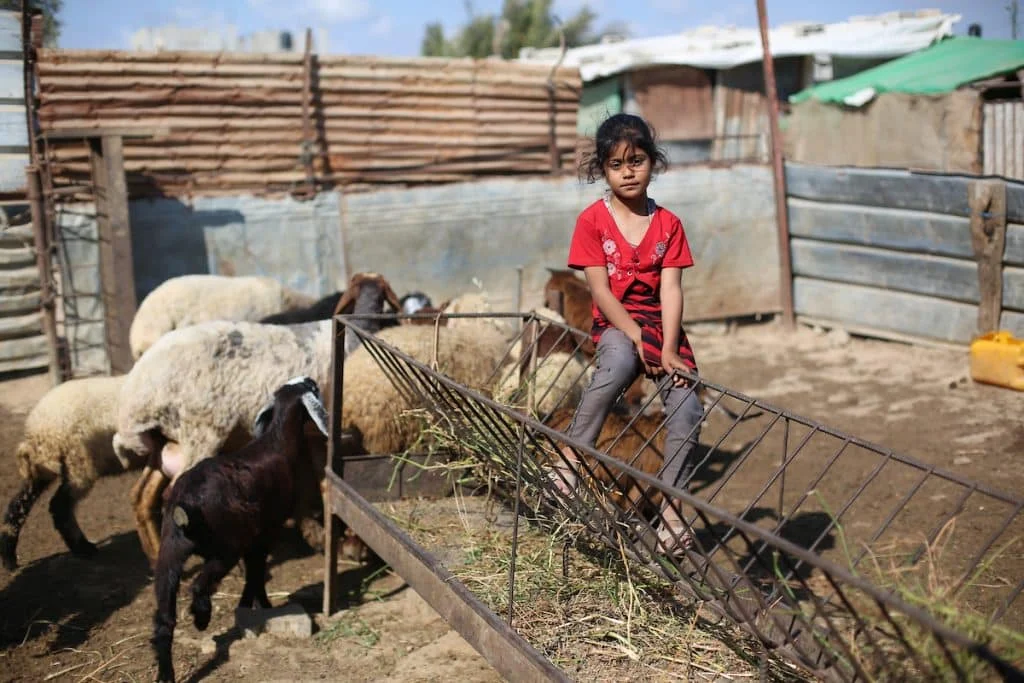
Eid al-Adha, also known as the “Festival of Sacrifice,” is traditionally marked by the sacrifice of animals such as sheep, goats, or cows, symbolizing devotion and charity. However, in Gaza, severe shortages of livestock and rising prices have made it nearly impossible for many families to follow the tradition this year.
Local residents and traders report that ongoing border restrictions, damaged agricultural infrastructure, and economic instability have sharply reduced the availability of animals across the territory.
Many families who once celebrated Eid with community gatherings and shared meals are now struggling to meet basic daily needs.
Humanitarian Crisis Continues to Affect Daily Life
The humanitarian situation in Gaza Strip remains extremely difficult due to prolonged conflict and destruction. Thousands of families continue to face displacement, damaged homes, food shortages, and limited access to healthcare and clean water.
Aid organizations have warned that worsening economic conditions are affecting nearly every aspect of life, including religious and cultural celebrations.
Children in particular are experiencing emotional stress as many families are unable to provide traditional Eid clothing, gifts, or festive meals.
Faith and Community Offer Strength
Despite the hardships, many Palestinians are trying to keep the spirit of Eid al-Adha alive through prayer, community support, and acts of kindness. Mosques, charities, and volunteers are organizing food distribution efforts and assistance programs to help vulnerable families celebrate the occasion with dignity.
Residents say that while material resources are limited, faith and solidarity continue to provide emotional strength during difficult times.
Community members are also encouraging children to remain hopeful and focus on the values of compassion, patience, and togetherness associated with the festival.
Aid Agencies Call for Increased Support
Humanitarian organizations continue to call for increased international assistance to support civilians in Gaza. Relief agencies have emphasized the urgent need for food supplies, medical aid, shelter support, and humanitarian access.
The lack of stable living conditions has also raised concerns about long-term social and economic recovery in the region.
International observers warn that prolonged instability could further worsen humanitarian conditions for families already facing severe challenges.
Importance of Eid Beyond Sacrifice
Religious scholars note that the true message of Eid al-Adha extends beyond animal sacrifice. The festival represents faith, generosity, resilience, and caring for those in need.
For many Palestinians in Gaza, this year’s Eid has become more about emotional survival, family unity, and maintaining hope despite adversity.
Families continue to gather for prayers and small celebrations wherever possible, even under extremely difficult conditions.
Conclusion
As Gaza prepares for Eid al-Adha amid conflict and economic hardship, the absence of livestock reflects the broader humanitarian struggles facing the region. Yet despite the pain and uncertainty, many Palestinians remain determined to preserve the spirit of the festival through faith, resilience, and community support.
The situation serves as a powerful reminder of the human impact of conflict and the enduring importance of hope during times of crisis.