India’s oil industry has maintained a smooth and uninterrupted supply of petroleum products across the country despite increasing global geopolitical tensions, volatile crude oil prices, and disruptions in international energy markets. The government and oil marketing companies have assured citizens that adequate fuel stocks and strong logistics management are helping maintain stable supplies of petrol, diesel, LPG, and aviation fuel nationwide.
The development comes at a time when global energy markets are witnessing uncertainty due to:
- West Asia tensions
- Strait of Hormuz concerns
- Crude oil price fluctuations
- Shipping disruptions
- Rising insurance and transportation costs
Despite these global headwinds, India’s energy sector has continued to function efficiently, preventing shortages and maintaining fuel availability across states.
Government Assures Adequate Fuel Availability
Officials from the Petroleum Ministry and oil marketing companies stated that India currently has sufficient reserves and supply-chain mechanisms to meet domestic fuel demand without disruption.
Authorities highlighted that:
- Fuel inventories remain stable
- Refineries are operating normally
- Transportation and distribution networks are functioning efficiently
- Emergency response mechanisms are active
The government also emphasized that there is no immediate concern regarding fuel shortages in any part of the country.
Strong Refining and Distribution Network
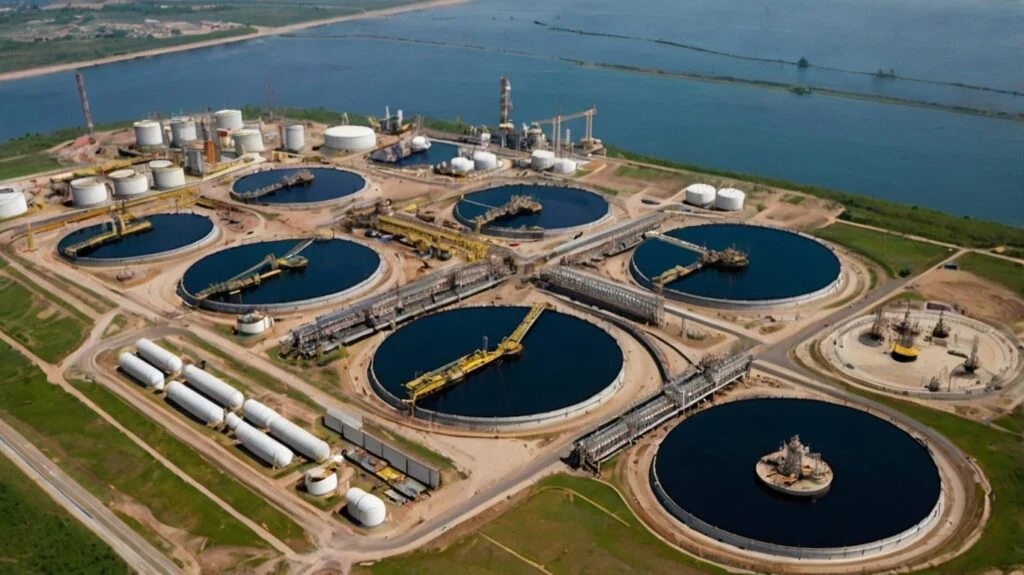
India possesses one of the world’s largest refining capacities, supported by an extensive fuel transportation and distribution network.
The country’s petroleum infrastructure includes:
- Major public and private refineries
- Strategic petroleum reserves
- Nationwide fuel pipelines
- Ports and storage terminals
- Retail fuel distribution systems
Experts believe this infrastructure has played a crucial role in ensuring uninterrupted fuel supply despite global instability.
Impact of Global Energy Tensions
Global oil markets have faced significant pressure in recent weeks due to:
- Rising tensions in the Middle East
- Concerns surrounding the Strait of Hormuz
- Supply chain disruptions
- Volatile crude oil prices
Since India imports a large portion of its crude oil requirements, international developments directly affect domestic energy economics.
However, officials stated that India’s diversified crude sourcing strategy has helped reduce dependence on any single region.
India’s Diversified Oil Import Strategy
India has increasingly diversified its crude oil imports from multiple countries and regions to strengthen energy security.
The strategy includes imports from:
- West Asia
- Russia
- Africa
- Latin America
- Other international suppliers
Energy experts say diversification helps India manage risks arising from geopolitical conflicts and supply disruptions.
Fuel Demand Continues to Rise
India remains one of the world’s fastest-growing energy consumers due to:
- Economic growth
- Expanding transportation sector
- Industrial development
- Rising urbanization
Petrol and diesel demand has remained strong across the country, especially during summer travel and agricultural seasons.
Oil companies stated that additional monitoring systems are being used to ensure supply-demand balance remains stable.
Strategic Petroleum Reserves Strengthen Energy Security
India’s strategic petroleum reserves are considered an important safeguard during periods of global uncertainty.
These reserves help:
- Manage emergency situations
- Stabilize fuel supply
- Reduce panic in markets
- Improve national energy security
Experts believe maintaining strong reserves is critical because international oil markets remain highly sensitive to geopolitical developments.
Focus on Alternative Energy and Conservation
The government has also continued promoting:
- Ethanol blending
- Electric vehicles
- Renewable energy
- Energy conservation initiatives
Prime Minister Narendra Modi recently urged citizens to conserve fuel and reduce dependence on imported products in order to strengthen India’s foreign exchange stability and energy resilience.
Analysts say high global oil prices may accelerate India’s transition toward cleaner and alternative energy solutions.
Public Confidence and Market Stability
The assurance of uninterrupted petroleum supply has helped maintain public confidence and avoid panic buying or supply-related concerns.
Industry observers note that stable fuel availability is essential for:
- Transportation systems
- Industrial production
- Agriculture
- Aviation sector
- Overall economic activity
Any disruption in fuel supply could have widespread economic consequences, making supply-chain stability a national priority.
Conclusion
India’s oil industry has successfully maintained seamless fuel supply across the country despite global geopolitical tensions and volatile energy markets.
With strong refining capacity, diversified imports, strategic reserves, and efficient logistics networks, the country continues to ensure uninterrupted availability of petroleum products while closely monitoring international developments affecting global oil markets.