Fresh Military Escalation Near Strait of Hormuz
Tensions between the United States and Iran have intensified after American forces reportedly shot down multiple Iranian drones near the strategically important Strait of Hormuz. The latest military confrontation has raised fresh concerns about regional stability and the possibility of wider conflict in the Middle East.
According to reports, US forces intercepted four Iranian attack drones that were allegedly threatening commercial shipping and military assets operating near the waterway. American forces also reportedly struck a drone control facility in Bandar Abbas to prevent the launch of an additional drone.
Strait of Hormuz Remains Strategically Important
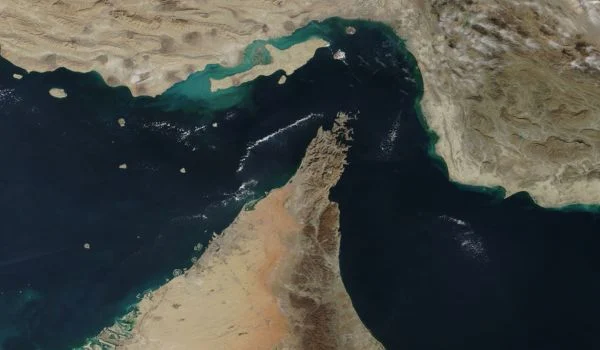
The Strait of Hormuz is considered one of the world’s most critical oil transit routes, connecting the Persian Gulf to international shipping lanes. A large portion of global oil exports passes through the narrow waterway every day.
Any military escalation in the region often affects global energy markets, shipping operations, and international trade. Experts warn that prolonged instability near the Strait could increase oil prices and disrupt maritime security worldwide.
US Describes Operation as Defensive
US officials reportedly stated that the military action was purely defensive and aimed at protecting commercial vessels and maintaining freedom of navigation in the Gulf region. The operation allegedly targeted Iranian military infrastructure that posed a threat to shipping and American personnel.
American authorities also claimed that the drones were launched toward a commercial vessel moving through the Strait of Hormuz. Fighter aircraft reportedly intercepted and destroyed the drones before they could reach their targets.
The strikes took place amid ongoing diplomatic efforts and fragile ceasefire discussions between Washington and Tehran.
Iran Condemns the Military Action
Iran strongly criticized the US operation and accused Washington of violating ongoing truce understandings. Iranian officials warned that continued military action could provoke stronger retaliation from Tehran.
Iranian state-linked media claimed the military activity was part of Iran’s defensive operations in the Gulf region and accused the United States of increasing tensions through military intervention.
Tehran has repeatedly argued that foreign military presence near the Persian Gulf contributes to instability in the region.
Regional Security Concerns Increase
The latest incident comes amid broader tensions involving Iran, Israel, and US military operations across the Middle East. Reports also indicated missile and drone alerts in neighboring Gulf countries, including Kuwait, following the escalation.
Military analysts believe the situation remains highly sensitive because multiple regional conflicts are unfolding simultaneously. Concerns are also growing that further escalation could threaten commercial shipping routes and energy infrastructure in the Gulf region.
Impact on Global Energy Markets
The Strait of Hormuz plays a vital role in global energy supplies, making any conflict in the area a major concern for international markets. Increased military activity often leads to volatility in crude oil prices and higher shipping insurance costs.
Several countries and international agencies are closely monitoring the situation due to fears that disruptions in the Gulf could affect global economic stability.
Diplomatic Efforts Continue Despite Escalation
Despite the military confrontation, diplomatic efforts between the United States and Iran are reportedly continuing through regional mediators. International observers have urged both sides to exercise restraint and avoid actions that could trigger wider conflict.
Analysts believe maintaining communication channels will be essential to preventing further military escalation in the Gulf region.
Conclusion
The shooting down of Iranian drones near the Strait of Hormuz marks another serious escalation in tensions between the United States and Iran. With military operations, regional security concerns, and diplomatic negotiations unfolding at the same time, the Middle East remains in a highly fragile state.
As global attention remains focused on developments in the Gulf region, the coming days are expected to be crucial for both regional stability and international energy security.