Fresh Military Confrontation Raises Alarm Across the Gulf
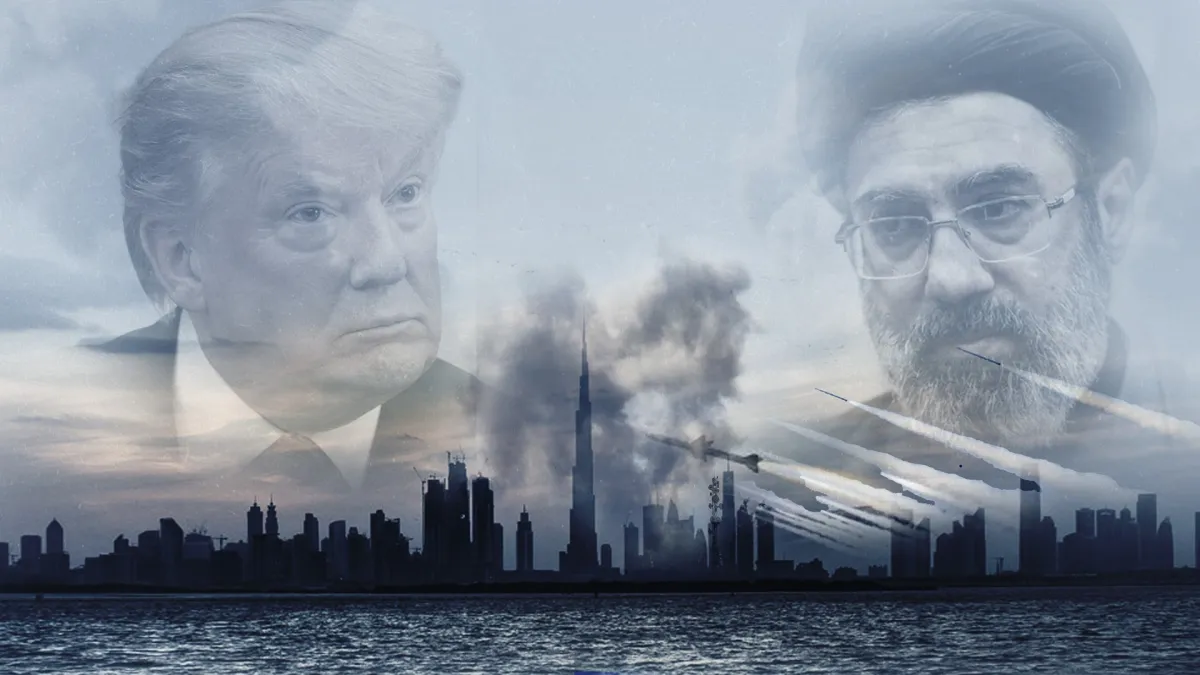
Tensions between the United States and Iran have intensified once again after both countries exchanged military strikes in and around the Gulf region. The latest escalation has increased concerns about regional security, global energy supplies, and the future of ongoing diplomatic efforts aimed at reducing hostilities. Recent reports indicate that US and Iranian forces have carried out retaliatory attacks against each other’s military assets, further straining an already fragile situation.
The developments come amid continued disputes over security in the Strait of Hormuz, one of the world’s most strategically important maritime routes for oil and gas transportation.
Strait of Hormuz Remains at the Center of the Crisis
The Strait of Hormuz continues to be the focal point of the confrontation. Roughly one-fifth of the world’s oil trade passes through this narrow waterway, making any disruption a major concern for global markets. Recent military incidents, including drone interceptions and missile launches, have increased fears about the security of shipping lanes in the region.
Analysts warn that prolonged instability in the Strait could significantly affect international energy supplies and push oil prices higher. Reports suggest that commercial shipping traffic has already been impacted by growing security risks.
Exchange of Strikes Deepens the Conflict
According to multiple reports, US forces recently carried out strikes on Iranian military facilities, including radar and drone-control infrastructure. Washington described the action as a defensive response to perceived threats against American interests and military personnel in the region.
Iran, meanwhile, has accused the United States of aggression and responded with missile and drone operations targeting areas associated with American military presence. The exchange of attacks has raised concerns that both sides may become trapped in a cycle of retaliation.
Impact on Global Energy Markets
The renewed confrontation has already had a noticeable impact on global energy markets. Oil prices surged following reports of fresh strikes, reflecting investor concerns about potential disruptions to supply routes in the Gulf. Market analysts have warned that continued escalation could push crude prices significantly higher if shipping through the Strait of Hormuz is further affected.
Several Gulf stock markets also recorded declines as investors reacted to growing geopolitical uncertainty. Financial experts note that prolonged instability could affect trade, investment, and economic growth across the region.
Diplomatic Efforts Face Serious Challenges
Despite the military escalation, diplomatic channels between Washington and Tehran have not been completely closed. Reports indicate that discussions regarding a limited agreement aimed at reducing tensions and easing economic pressures are still being considered. However, recent military actions have complicated negotiations and reduced confidence in the peace process.
Iran has signaled that continued military pressure could affect its willingness to participate in talks, while US officials maintain that diplomacy remains the preferred path for resolving disputes.
Regional Security Concerns Continue to Grow
The latest developments have triggered concern among Gulf nations, many of which fear becoming caught in a wider regional conflict. Several countries have strengthened security measures around military installations, ports, and energy infrastructure as tensions continue to rise.
Security analysts believe that the risk of miscalculation remains high, particularly given the presence of multiple military forces operating in close proximity throughout the Gulf region.
International Community Calls for Restraint
Global leaders and international organizations have urged both Iran and the United States to exercise restraint and prioritize diplomatic solutions. Many governments fear that further escalation could destabilize the broader Middle East and negatively affect global economic recovery efforts.
Calls for dialogue have intensified as policymakers seek to prevent the crisis from expanding into a larger regional confrontation involving additional countries and armed groups.
Conclusion
The latest round of military exchanges between the United States and Iran highlights the fragile security environment in the Gulf region. With tensions centered around the Strait of Hormuz, rising oil prices, and uncertain diplomatic prospects, the situation remains highly volatile.
While both sides continue to assert their strategic interests, the coming weeks will be crucial in determining whether diplomacy can prevail or whether the region faces the risk of a broader and more prolonged conflict.