Trump Calls for Restraint After Iranian Missile Attack
US President Donald Trump has urged Israeli Prime Minister Benjamin Netanyahu not to retaliate against Iran following recent missile strikes on Israel. The appeal comes amid heightened tensions in the Middle East and ongoing diplomatic efforts aimed at securing a broader agreement between Washington and Tehran.
Moreover, Trump indicated that the United States is close to reaching a significant agreement with Iran and warned that further military escalation could jeopardize ongoing negotiations.
Phone Call Between Trump and Netanyahu
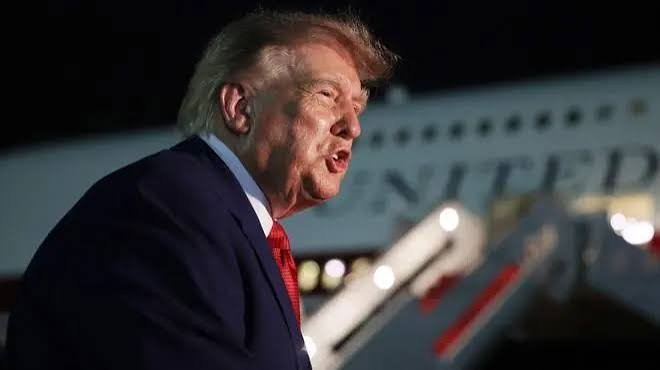
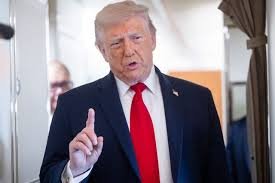
According to reports, Trump held a phone conversation with Netanyahu shortly after Iran launched missiles toward Israel. During the call, the US President reportedly advised the Israeli leader to allow diplomacy more time rather than immediately responding with military action.
Furthermore, Trump publicly stated that he intended to tell Netanyahu not to retaliate, emphasizing that a fresh round of attacks could prolong instability in the region.
Missile Strikes Raise Regional Tensions
The latest crisis erupted after Iran launched missile strikes against Israel, which Tehran described as a response to earlier Israeli military operations. The exchange has threatened a fragile ceasefire and renewed fears of a wider regional conflict involving multiple actors across the Middle East.
Additionally, military alerts and rising tensions have prompted concerns about regional security, energy supplies, and international shipping routes.
US Focused on Preserving Diplomatic Momentum
Trump has repeatedly stressed that the current violence should not derail negotiations with Iran. He maintained that the United States remains committed to securing a diplomatic breakthrough and expressed confidence that a deal remains within reach despite the recent escalation.
Moreover, reports suggest that Washington is attempting to prevent any actions that could trigger a broader military confrontation and complicate ongoing diplomatic efforts.
Israel Faces Pressure Over Response
While Trump has advocated restraint, Israeli officials have continued to signal that they reserve the right to respond to attacks on their territory. Security officials have emphasized that Israel will take necessary measures to protect its national security interests.
However, the reported differences between Washington and Tel Aviv over the appropriate response have highlighted the challenges of balancing military deterrence with diplomatic engagement.
Regional and Global Implications
The latest developments have attracted international attention because of their potential impact on regional stability and global energy markets. Escalating hostilities could affect oil prices, shipping routes, and broader geopolitical dynamics across the Middle East.
Consequently, many countries are closely monitoring the situation and urging all parties to avoid further escalation.
Conclusion
President Donald Trump’s appeal to Benjamin Netanyahu reflects growing international concern over the possibility of a wider conflict between Israel and Iran. By urging restraint and emphasizing diplomacy, the US administration is seeking to preserve ongoing negotiations with Tehran while preventing a broader regional crisis.
As tensions remain high, the coming days are expected to be crucial in determining whether diplomatic efforts can succeed in preventing further military escalation across the Middle East.