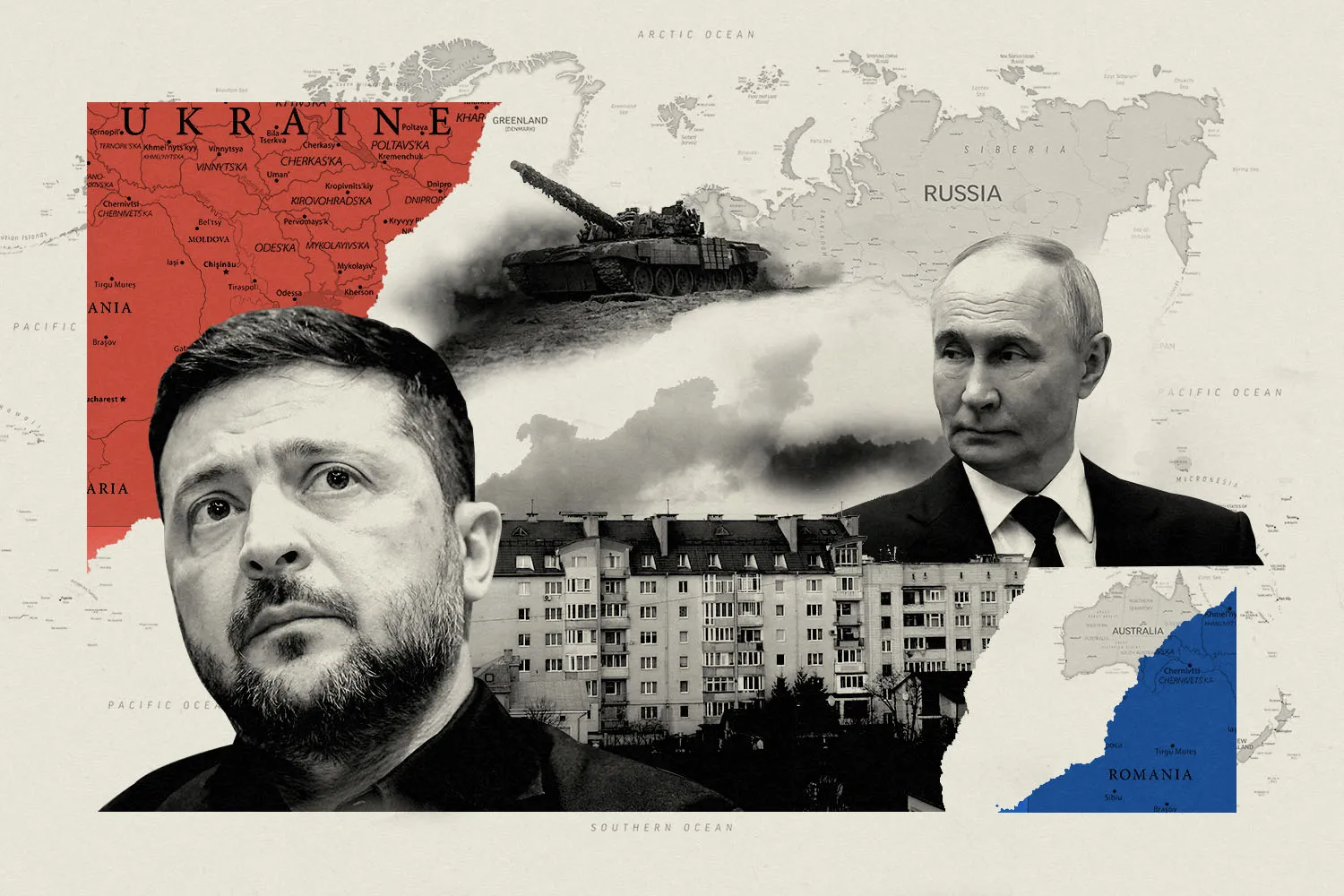
Russia Ukraine Conflict 2026 remains one of the most significant geopolitical crises impacting global stability, security, and economic conditions. The prolonged conflict between Russia and Ukraine continues to evolve, with both military developments and diplomatic efforts shaping the course of events.
On the ground, the situation remains tense as sporadic clashes and strategic movements continue in key regions. While large-scale offensives have reduced compared to earlier phases, localized conflicts and border tensions persist. Both sides are focusing on strengthening their defensive positions while maintaining readiness for potential escalations. The humanitarian situation also remains a concern, with thousands of civilians affected by displacement, infrastructure damage, and limited access to essential services.
Diplomatic efforts are ongoing, with several international actors attempting to mediate and bring about a peaceful resolution. Countries and organizations across the globe are advocating for dialogue and ceasefire agreements. However, reaching a consensus has proven challenging due to deep-rooted political and territorial disagreements. Sanctions imposed on Russia by Western nations continue to influence its economy, while also reshaping global trade dynamics.
The Russia Ukraine Conflict 2026 has had far-reaching implications beyond the immediate region. One of the most noticeable impacts is on global energy markets. Europe, heavily dependent on energy supplies, has been forced to diversify its sources and invest more aggressively in renewable energy. This shift has accelerated long-term changes in global energy strategies and reduced reliance on traditional suppliers.
Food security is another critical area affected by the conflict. Both Russia and Ukraine are major exporters of grains and agricultural products. Disruptions in supply chains have contributed to rising food prices and shortages in several parts of the world, particularly in developing nations. International organizations are working to stabilize supply and ensure that vulnerable populations receive necessary support.
The conflict has also led to significant changes in global defense policies. Many countries are increasing their military spending and strengthening alliances to enhance security preparedness. The crisis has highlighted the importance of strategic partnerships and collective defense mechanisms in maintaining international peace.
Despite the ongoing tensions, there are cautious signs of hope. Diplomatic channels remain open, and periodic negotiations indicate a willingness to explore peaceful solutions. Confidence-building measures, humanitarian aid initiatives, and prisoner exchanges have been small but meaningful steps toward reducing hostilities.
In conclusion, Russia Ukraine Conflict 2026 continues to be a defining issue in international relations. Its impact on global security, energy, and food systems underscores the interconnected nature of today’s world. While challenges remain, sustained diplomatic efforts and international cooperation will be crucial in moving toward a stable and lasting resolution.