The Trump Warning to Iran Strait of Hormuz has intensified global attention on rising tensions in the Middle East after U.S. President Donald Trump claimed that American naval ships came under fire while transiting the strategically important Strait of Hormuz.
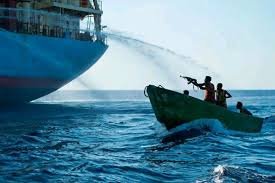
According to reports, three U.S. Navy destroyers successfully passed through the waterway despite facing attacks involving missiles, drones, and small boats allegedly linked to Iranian forces. President Trump stated that the U.S. ships were not damaged during the incident and claimed that American forces inflicted significant damage on the attackers in response.
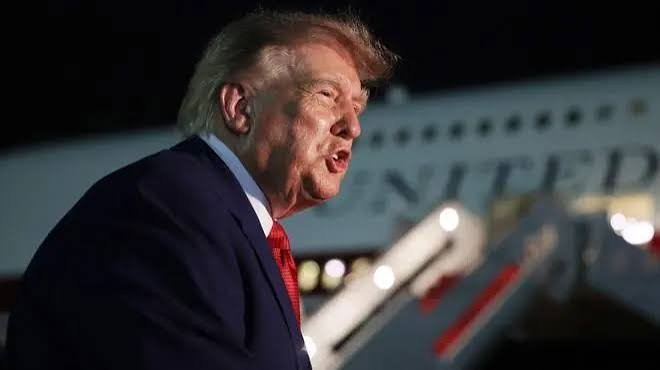
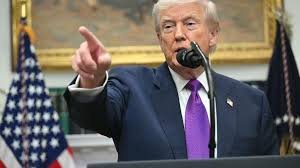
In a strongly worded statement, Trump warned Iran against further aggression and suggested that harsher military action could follow if tensions continue to escalate. He also accused Iranian leadership of threatening regional stability and disrupting international maritime operations in one of the world’s most critical oil transit routes.
The Strait of Hormuz remains one of the most strategically sensitive waterways globally, with a significant portion of the world’s oil shipments passing through it every day. Any military confrontation or disruption in the region often impacts global energy markets, shipping operations, and international security calculations.
The latest developments come amid ongoing tensions between Washington and Tehran over maritime security and control of shipping lanes in the Gulf region. Earlier, President Trump had announced “Project Freedom,” an initiative aimed at helping commercial and stranded ships safely navigate through the Strait of Hormuz following regional instability and conflict-related disruptions.
Iran, however, had warned the United States against entering the region with military escort operations. Iranian officials previously stated that foreign military presence in the Strait could trigger retaliation and further conflict.
Reports indicate that despite the exchange of fire, the fragile ceasefire arrangement between the U.S. and Iran has not completely collapsed. President Trump later described the confrontation as limited in scale while insisting that diplomatic negotiations and ceasefire efforts remain active.
Military analysts say the latest confrontation highlights the ongoing volatility in the Gulf region and the risks associated with naval operations in contested waterways. The U.S. Navy has reportedly increased surveillance and escort activities in the area as commercial shipping companies remain cautious about resuming normal movement through the Strait.
Global leaders and international organizations are closely monitoring the situation due to fears that further escalation could affect oil prices, trade routes, and regional stability. Several countries have urged restraint and called for renewed diplomatic engagement between Washington and Tehran.
The Trump Warning to Iran Strait of Hormuz has once again brought international focus to the Gulf region, where military tensions and geopolitical rivalries continue to influence global security and economic concerns. As diplomatic talks continue alongside military posturing, the world remains alert to any further developments in the strategically vital Strait of Hormuz.