Israel Expands Evacuation Orders in Southern Lebanon
The Israeli military has issued large-scale evacuation orders for residents in southern Lebanon ahead of a fresh wave of strikes targeting Hezbollah positions. The Israel Defense Forces (IDF) declared several areas as “combat zones” and instructed civilians to move northward for safety.
According to reports, residents living south of the Zahrani River were asked to evacuate immediately as military operations intensify in the region. The latest warnings mark one of the biggest evacuation drives since the recent ceasefire arrangement came into effect.
Conflict Between Israel and Hezbollah Intensifies
The escalation comes amid ongoing clashes between Israel and the Iran-backed militant group Hezbollah. Israeli authorities accused Hezbollah of repeatedly violating ceasefire understandings through drone and rocket attacks on northern Israel.
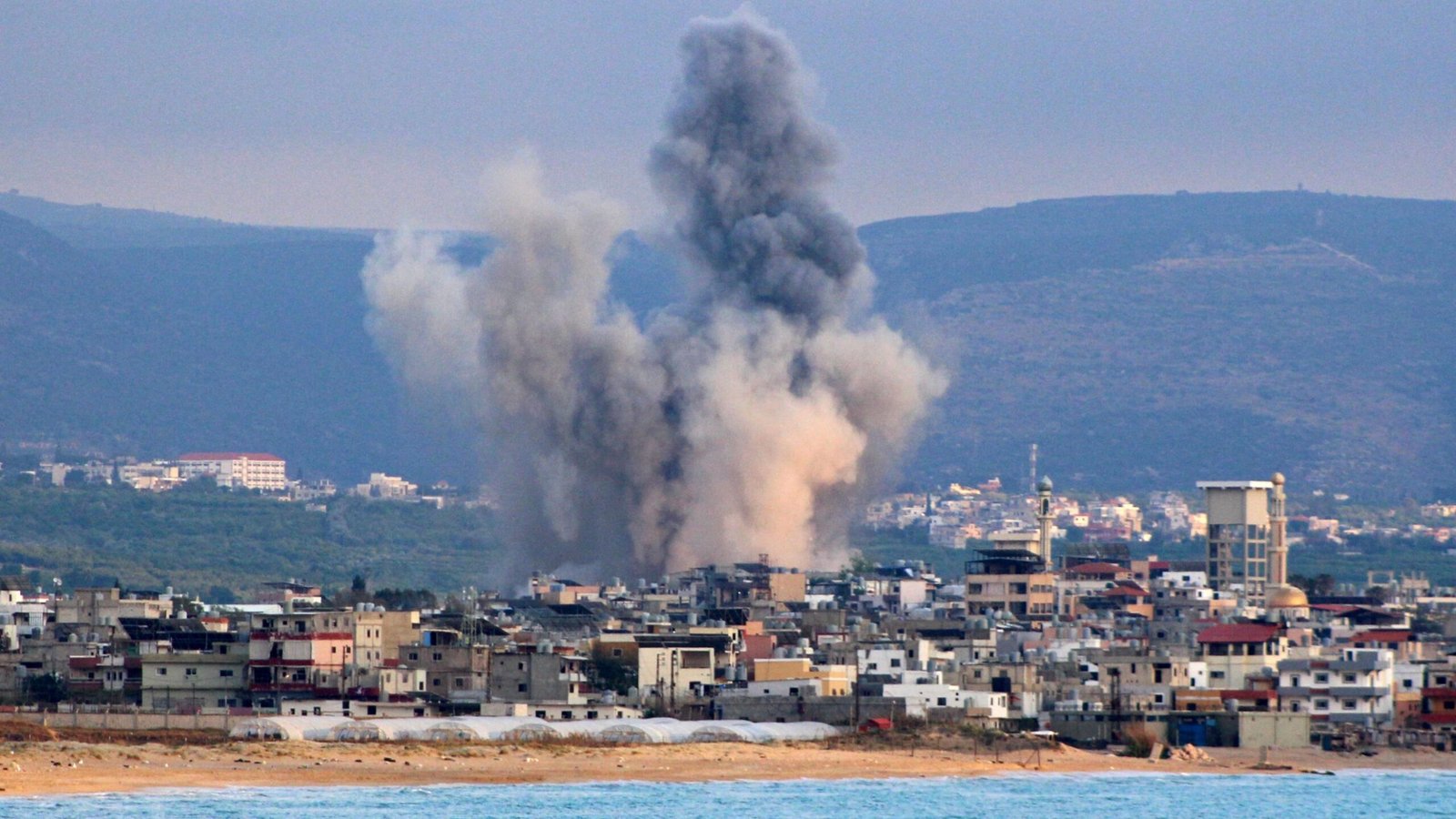
In response, Israeli forces have expanded both aerial and ground operations across southern Lebanon. Reports suggest that over 120 airstrikes were carried out in different parts of southern and eastern Lebanon in recent days.
Israeli Prime Minister Benjamin Netanyahu reportedly stated that military operations are aimed at securing northern Israeli communities and neutralizing Hezbollah infrastructure near the border.
Thousands of Civilians Forced to Flee
The evacuation orders have triggered another wave of displacement in southern Lebanon, where thousands of civilians have already fled due to continuous bombardment and military operations.
Reports indicate that many residents are moving toward coastal cities such as Sidon and Tyre in search of safer shelter. Humanitarian agencies warn that shelters and emergency facilities are already under pressure because of the large number of displaced people.
Several towns and villages in southern Lebanon have reportedly witnessed heavy destruction due to repeated airstrikes and ground fighting.
Rising Civilian Casualties Raise Concerns
The renewed escalation has also increased concerns about civilian casualties and humanitarian conditions in the conflict zone. Lebanese authorities and international media reports indicate that multiple civilians have been killed in recent Israeli strikes, including women, children, and paramedics.
International organizations and rights groups have repeatedly called for restraint and stronger protection for civilians trapped in conflict-affected regions.
The ongoing displacement has further worsened access to healthcare, food, water, and essential services for affected communities.
Ceasefire Appears Increasingly Fragile
Although a ceasefire arrangement had earlier reduced large-scale fighting, recent developments suggest that the truce is rapidly weakening. Both Israel and Hezbollah continue to accuse each other of violating ceasefire terms.
Military analysts believe the situation remains highly volatile, especially as broader regional tensions involving Iran, Israel, and the United States continue to rise simultaneously.
The possibility of further escalation has also raised fears that the conflict could spread deeper into Lebanon or affect neighboring regions.
International Community Monitoring Situation
Global powers and humanitarian agencies are closely monitoring the developments in southern Lebanon. International organizations have urged all sides to protect civilians and avoid actions that may lead to wider regional instability.
The United Nations Interim Force in Lebanon (UNIFIL) has also expressed concern over continuing violence near its operational areas and the humanitarian impact on civilians.
Diplomatic efforts aimed at preventing a broader conflict are reportedly continuing through regional and international channels.
Conclusion
The large-scale evacuation orders issued by the Israeli military reflect the growing intensity of the conflict in southern Lebanon. With fresh strikes expected and civilian displacement rising rapidly, concerns over humanitarian conditions and regional stability continue to deepen.
As tensions between Israel and Hezbollah escalate further, international attention remains focused on whether diplomatic efforts can prevent the situation from turning into a larger regional crisis.