Rising Tensions in the Middle East
Fresh violence in the Middle East has intensified regional tensions after Israeli strikes in Lebanon reportedly killed at least 31 people, while Iran accused the United States of violating an ongoing ceasefire agreement.
The latest escalation has raised concerns about the stability of the fragile truce arrangements in the region and the possibility of wider conflict involving multiple countries.
Israeli Strikes Intensify in Lebanon
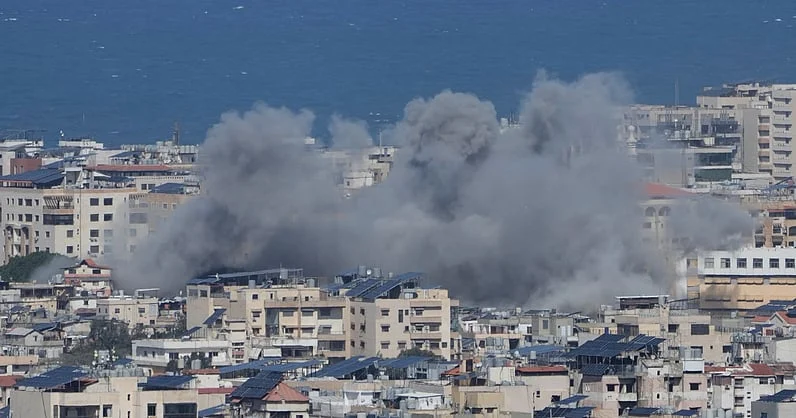
According to reports, Israeli forces carried out heavy airstrikes across southern and eastern parts of Lebanon, targeting areas linked to Hezbollah operations. The attacks reportedly resulted in the deaths of at least 31 people and left dozens injured.
The strikes were part of an expanded military campaign as Israeli operations moved deeper into Lebanese territory. Reports indicated that several towns and villages witnessed large-scale destruction, forcing civilians to flee affected areas.
Israeli authorities stated that the operations were aimed at countering Hezbollah attacks and securing border areas amid continuing hostilities.
Hezbollah-Israel Conflict Continues
The conflict between Israel and Hezbollah has remained highly volatile despite ceasefire discussions in recent weeks. Hezbollah reportedly responded to Israeli military activity with rocket and drone attacks targeting Israeli positions.
The ongoing violence has caused widespread displacement and humanitarian concerns in southern Lebanon. Thousands of civilians continue to face uncertainty as clashes intensify near border regions.
International observers fear that continued military escalation could further destabilize the Middle East and complicate ongoing diplomatic negotiations.
Tehran Accuses US of Truce Violation
At the same time, Iran strongly criticized the United States over reported military strikes near the Strait of Hormuz. Iranian officials described the attacks as a violation of the fragile ceasefire framework currently under discussion between Tehran and Washington.
The United States reportedly claimed the strikes targeted missile infrastructure and naval threats in the region. However, Tehran warned that such actions could undermine diplomatic efforts and increase regional instability.
Iranian leaders also stated that they reserve the right to respond if attacks continue.
Concerns Over Regional Stability
The simultaneous escalation in Lebanon and tensions involving Iran and the United States have raised fresh fears of a broader regional conflict. Diplomatic efforts led by international mediators have been attempting to preserve ceasefire arrangements and reduce military confrontations.
Analysts believe the situation remains highly sensitive because multiple regional conflicts are now interconnected, including tensions involving Israel, Hezbollah, Iran, and US military operations in the Gulf region.
The Strait of Hormuz, a critical global oil shipping route, also remains under close international monitoring due to concerns about disruptions to energy supplies and maritime security.
Humanitarian Impact Growing
The recent attacks have added to the humanitarian crisis in affected areas of Lebanon. Civilian casualties, damaged infrastructure, and mass displacement continue to increase pressure on relief agencies and local authorities.
Hospitals and emergency services in several regions are reportedly struggling to manage the growing number of injured civilians amid ongoing military operations.
International organizations have repeatedly called for restraint and renewed diplomatic dialogue to prevent further civilian suffering.
Diplomatic Efforts Continue
Despite the rising tensions, reports suggest that diplomatic negotiations between the United States and Iran are still continuing through regional mediators. Discussions are focused on ceasefire arrangements, maritime security, and broader regional stability.
However, the latest violence has complicated efforts to achieve a lasting agreement. Experts believe any further escalation could significantly impact peace negotiations and regional security dynamics.
Conclusion
The latest Israeli strikes in Lebanon and Iran’s accusations against the United States highlight the fragile nature of the current situation in the Middle East. With casualties rising and diplomatic tensions increasing, global attention remains focused on whether international efforts can prevent the conflict from expanding further.
As military operations continue and ceasefire talks face new challenges, the coming days are expected to play a crucial role in determining the region’s stability.