Trump Takes Active Role in Defusing West Asia Tensions
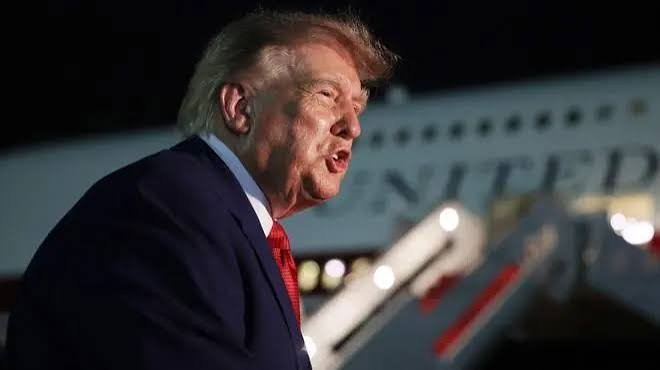
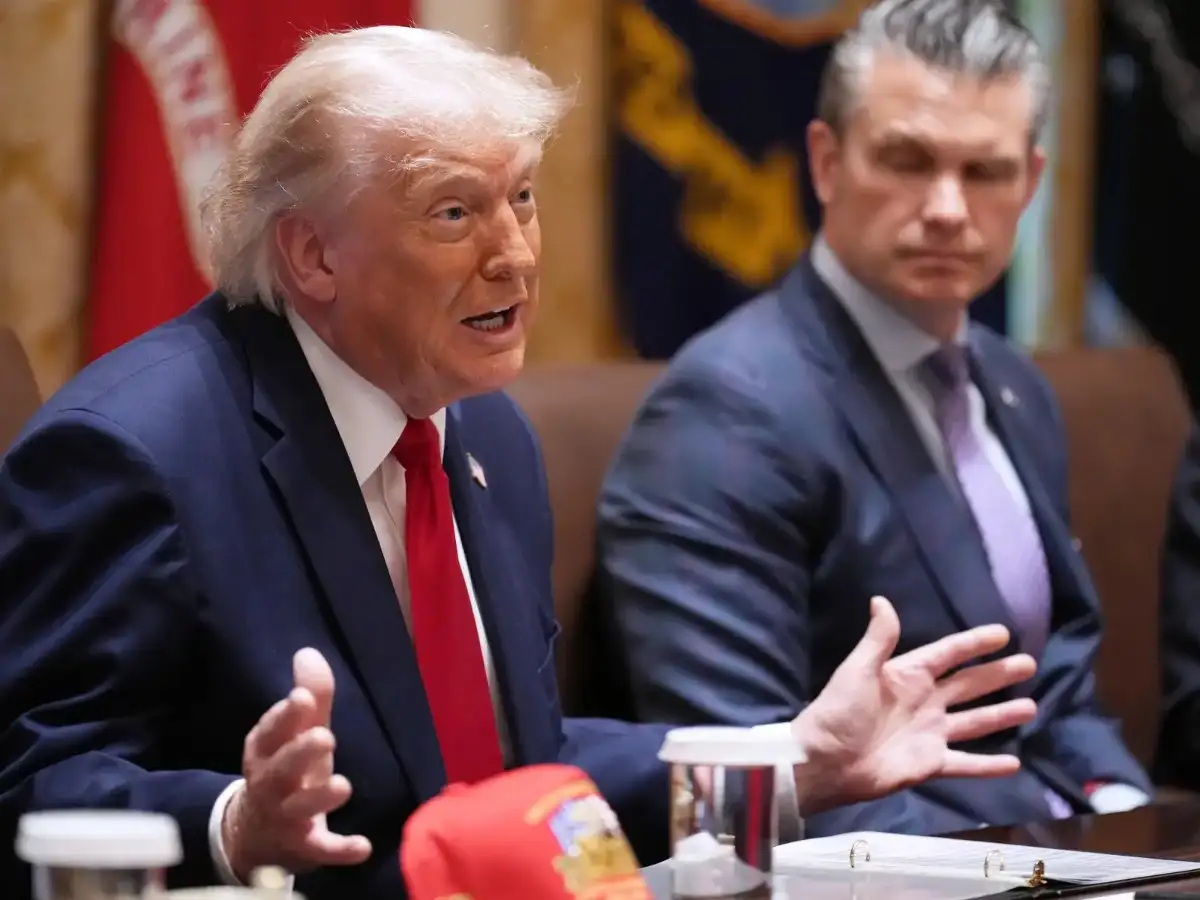
US President Donald Trump has intensified diplomatic efforts to prevent a wider conflict in West Asia as tensions continue to rise between Iran, Israel, and Hezbollah. With military exchanges threatening to derail ongoing peace negotiations, Trump has positioned himself as a key mediator in efforts to restore stability and keep diplomatic channels open. Recent reports indicate that the US administration has been actively engaging with regional stakeholders to prevent further escalation.
The intervention comes at a critical moment, with ceasefire arrangements facing repeated challenges and concerns growing over the possibility of a broader regional confrontation.
Mediation Efforts Between Israel and Hezbollah
According to reports, Trump personally engaged in discussions aimed at reducing hostilities between Israel and Hezbollah after a sharp escalation in southern Lebanon. Diplomatic efforts reportedly helped secure a temporary understanding under which both sides agreed to halt attacks, although the situation remained fragile and sporadic clashes continued.
The initiative was seen as an attempt to preserve broader regional negotiations and prevent the Lebanon conflict from undermining ongoing US-Iran diplomatic efforts.
Iran Talks Remain a Central Focus
Alongside efforts in Lebanon, Trump has continued to push for dialogue with Iran. Despite reports suggesting that Tehran had suspended indirect negotiations following Israeli military actions, Trump maintained that communication channels remain open and discussions are continuing. He stated that talks are moving forward and emphasized his preference for diplomacy over military escalation.
The United States and Iran have been exploring proposals related to ceasefire extensions, maritime security in the Strait of Hormuz, and future discussions on nuclear issues.
Ceasefire Faces Fresh Challenges
Despite diplomatic progress, the ceasefire framework remains under significant pressure. Recent military incidents involving missile launches, drone attacks, and retaliatory strikes have raised doubts about the durability of existing agreements. Both Washington and Tehran have accused each other of violating understandings reached during previous negotiations.
Analysts warn that even minor incidents could trigger a cycle of retaliation that may undermine months of diplomatic efforts.
Strait of Hormuz Remains Key Strategic Issue
A major objective of Trump’s intervention is maintaining stability in the Strait of Hormuz, one of the world’s most important energy transit routes. Ongoing negotiations have focused on ensuring safe navigation and preventing disruptions to global oil supplies. The waterway remains crucial for international trade, with a significant share of the world’s oil shipments passing through the region.
Market observers have noted that uncertainty surrounding the Strait has already influenced global energy prices and investor sentiment.
Balancing Diplomacy and Security
The Trump administration faces the challenge of balancing diplomatic engagement with regional security concerns. While the President has repeatedly expressed optimism about reaching a broader agreement with Iran, he has also maintained pressure through military readiness and sanctions policies.
Experts believe this dual-track approach is designed to encourage negotiations while preserving leverage during discussions.
Regional and Global Implications
Developments in West Asia continue to attract global attention because of their impact on energy markets, international trade, and geopolitical stability. Gulf nations, European governments, and international organizations are closely monitoring efforts to reduce tensions and prevent a wider conflict.
A successful diplomatic outcome could improve regional stability, while failure could lead to renewed military confrontations with far-reaching consequences.
Conclusion
President Donald Trump’s intervention in the West Asia crisis highlights Washington’s efforts to prevent escalating conflicts from spiraling into a larger regional war. Through mediation between Israel and Hezbollah and continued engagement with Iran, the US administration is attempting to preserve fragile ceasefires and keep diplomatic negotiations alive.
As military tensions and diplomatic talks continue simultaneously, the coming weeks are expected to be crucial in determining whether the region moves toward greater stability or faces another period of heightened conflict.