United States Strengthens Immigration Enforcement Efforts
The United States has intensified its immigration enforcement measures as federal authorities continue to implement stricter policies aimed at controlling illegal immigration and strengthening border security. The latest crackdown includes expanded deportation operations, increased workplace inspections, tighter border controls, and enhanced monitoring of immigration violations.
The move reflects the government’s broader efforts to address concerns related to unauthorized migration, national security, and the management of immigration systems across the country.
Focus on Illegal Immigration and Border Security
US authorities have emphasized that border security remains a top priority. Increased surveillance, additional personnel deployments, and enhanced technological monitoring have been introduced at key border locations to prevent unauthorized crossings.
Officials argue that stronger enforcement measures are necessary to maintain the integrity of immigration laws and ensure orderly migration processes.
The immigration crackdown is also aimed at addressing challenges related to human trafficking, smuggling networks, and document fraud.
Deportation Operations Expanded
Federal immigration agencies have reportedly expanded operations targeting individuals who are found to be residing in the country without legal authorization or who have violated immigration regulations.
Authorities have stated that enforcement efforts are focusing on individuals with criminal records, repeat immigration offenders, and those who have ignored previous deportation orders.
Human rights organizations, however, have expressed concerns about the potential impact on immigrant families and vulnerable communities.
Workplace Inspections Increase
As part of the broader enforcement campaign, immigration officials have increased inspections of workplaces suspected of employing unauthorized workers.
Businesses found violating immigration and labor laws may face financial penalties, legal action, and additional scrutiny from regulatory agencies.
Officials believe that stricter workplace enforcement can help reduce illegal employment practices and encourage compliance with immigration regulations.
Impact on Immigrant Communities
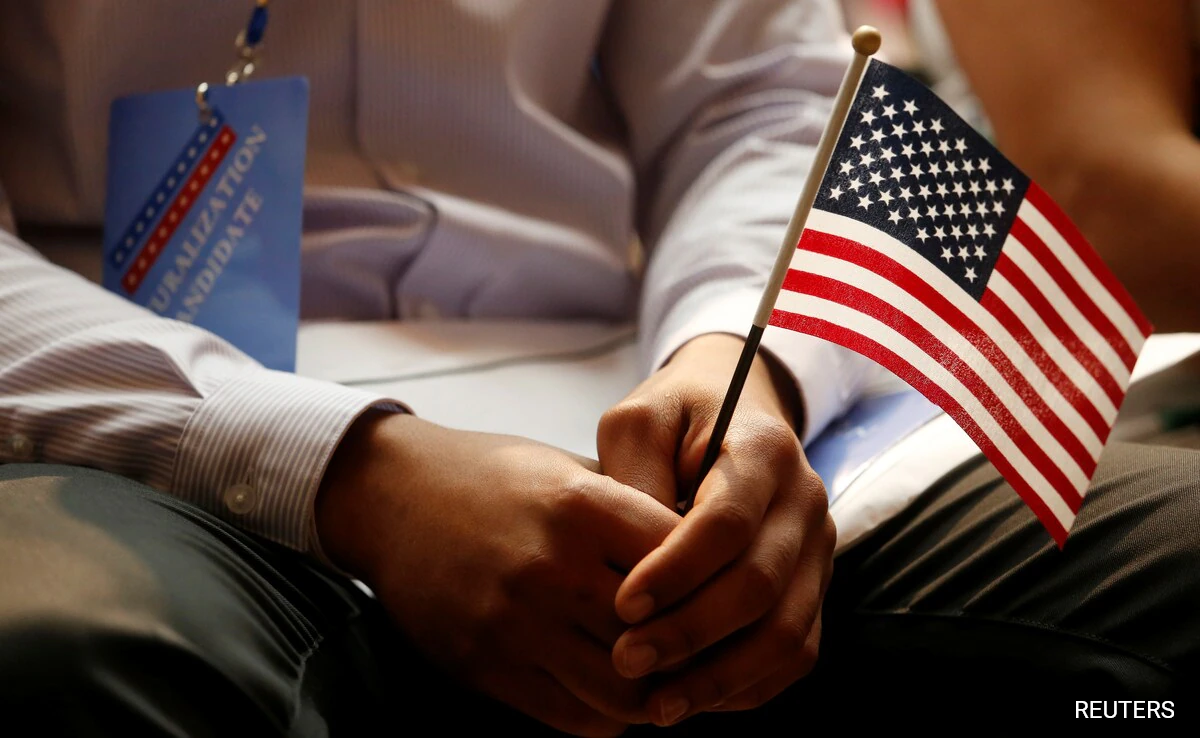
The intensified crackdown has generated anxiety among many immigrant communities across the United States. Advocacy groups have reported growing concerns regarding detentions, deportations, and legal uncertainties faced by undocumented migrants.
Community organizations are providing legal assistance and information services to help affected individuals understand their rights and available legal options.
Immigration remains one of the most debated policy issues in the United States, with differing views on enforcement and reform.
Political Debate Over Immigration Policies
The immigration crackdown has reignited political discussions on border security and immigration reform. Supporters of stricter enforcement argue that stronger measures are essential for national security, public safety, and protecting legal immigration pathways.
Critics, however, contend that enforcement-focused approaches should be balanced with comprehensive immigration reforms that address labor needs, humanitarian concerns, and pathways to legal status.
The issue continues to be a major topic in national political discourse.
Economic and Social Implications
Experts note that immigration policies can have significant economic and social consequences. Industries such as agriculture, construction, hospitality, and healthcare often rely on immigrant labor, making immigration regulations an important factor for workforce planning.
At the same time, policymakers argue that effective immigration management is necessary to maintain public confidence in the legal immigration system.
Balancing economic requirements with security concerns remains a complex challenge for decision-makers.
International Reactions and Cooperation
The crackdown has also drawn attention from neighboring countries and international organizations. Cooperation between the United States and partner nations remains important for addressing migration flows, combating trafficking networks, and improving border management.
Diplomatic discussions continue regarding regional migration challenges and strategies to address the root causes of irregular migration.
Observers believe that long-term solutions will require both domestic reforms and international cooperation.
Conclusion
The ongoing US immigration crackdown highlights the government’s efforts to strengthen border security and enforce immigration laws. While supporters view the measures as necessary for maintaining order and national security, critics continue to raise concerns about humanitarian impacts and the need for broader immigration reform.
As enforcement operations expand and policy debates continue, immigration is expected to remain one of the most closely watched issues in American politics and public policy.