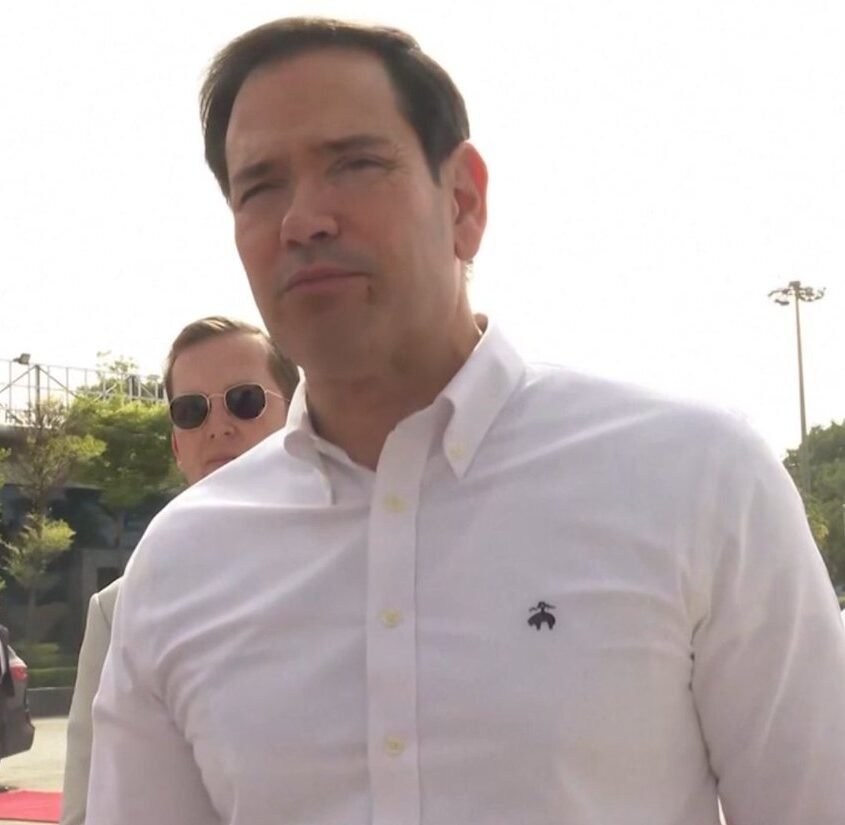
Marco Rubio talks with Russian Foreign Minister on Ukraine and Iran became a significant diplomatic development after US Secretary of State Marco Rubio held discussions with Russian Foreign Minister Sergey Lavrov on key global security issues, including the ongoing Ukraine conflict and the evolving situation involving Iran.
The conversation comes at a time of heightened geopolitical tensions, with international attention focused on the Russia-Ukraine war and rising instability in the Middle East.
Rubio and Lavrov Hold High-Level Diplomatic Talks
According to reports, the telephonic conversation involved exchanges on the ongoing Russia-Ukraine conflict as well as regional developments linked to Iran.
Main Issues Discussed
- Developments in the Ukraine war
- Regional tensions involving Iran
- Broader US-Russia relations
- Security and geopolitical stability
The discussion reflects continued diplomatic engagement between Washington and Moscow despite ongoing tensions between the two countries.
Focus on the Ukraine Conflict
The war in Ukraine remained one of the primary topics during the conversation.
Key Concerns Discussed
Military Escalation
Recent Russian strikes and continued fighting in Ukraine have raised concerns globally.
Diplomatic Efforts
The United States has repeatedly stated that it remains open to diplomatic engagement aimed at reducing tensions and exploring pathways toward peace.
Security Implications
The conflict continues to affect global energy markets, international security, and geopolitical relations across Europe and beyond.
Iran Situation Also Discussed
The evolving situation involving Iran was another major subject of the talks.
Why Iran Matters in Current Diplomacy
- Ongoing US-Iran negotiations remain sensitive
- Tensions in the Strait of Hormuz continue to impact global energy markets
- Russia and Iran maintain strategic ties in several areas
- Regional instability in the Middle East has global implications
Recent discussions between Washington and Tehran have focused on de-escalation and maritime security concerns.
US-Russia Relations Remain Complex
Relations between the United States and Russia continue to remain strained over multiple geopolitical issues.
Major Areas of Tension
Ukraine War
The ongoing conflict remains the biggest point of disagreement between both nations.
Global Security Concerns
Issues involving NATO, sanctions, and regional military activity continue to impact bilateral ties.
Middle East Developments
Both countries are also actively involved in discussions related to Iran and broader Middle East security dynamics.
Despite tensions, diplomatic communication channels remain active.
Global Importance of the Talks
The conversation between the two top diplomats has attracted international attention because of its potential impact on multiple global crises.
Why the Discussion Matters
- The Ukraine war affects European and global security
- Iran-related tensions influence oil markets and maritime trade
- US-Russia engagement is critical for diplomatic stability
- Global powers continue to monitor developments closely
Analysts believe sustained diplomatic dialogue remains important even during periods of geopolitical confrontation.
International Focus on Diplomacy
The talks indicate that major powers continue to rely on diplomatic channels despite military and political disagreements.
Key Diplomatic Objectives
- Reducing risks of escalation
- Maintaining communication between major powers
- Exploring possibilities for conflict management
- Preventing broader regional instability
Diplomatic engagement is increasingly being viewed as essential amid simultaneous crises in Europe and the Middle East.
Conclusion
The development where Marco Rubio talks with Russian Foreign Minister on Ukraine and Iran highlights the ongoing diplomatic efforts surrounding two of the world’s most sensitive geopolitical situations. While differences between Washington and Moscow remain significant, continued communication reflects the importance of diplomacy in managing international tensions.
As developments continue in Ukraine and the Middle East, global attention will remain focused on how major powers coordinate, negotiate, and respond to evolving security challenges.