Gulf Tensions Escalate After Fresh Military Exchange
Tensions between the United States and Iran have risen sharply after American forces launched strikes on an Iranian military facility following missile and drone attacks aimed at Kuwait and Bahrain. The latest confrontation marks another escalation in the ongoing crisis that has gripped the Gulf region in recent weeks.
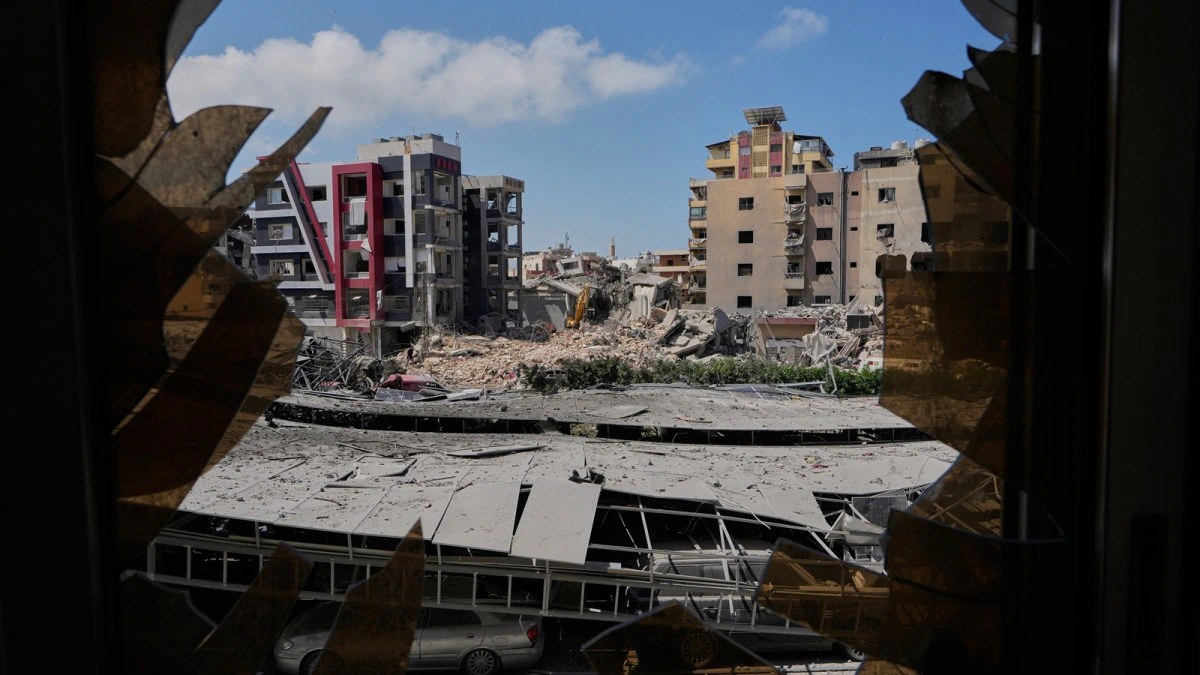
Moreover, the incident has increased concerns about regional security, energy supplies, and the future of diplomatic efforts between Washington and Tehran. Analysts warn that continued military exchanges could further destabilize the Middle East.
Iran Launches Missiles Toward Kuwait and Bahrain
According to U.S. Central Command (CENTCOM), Iran fired multiple missiles and drones toward targets in Kuwait and Bahrain. However, most of the projectiles either failed to reach their destinations or were intercepted by American and allied air defense systems.
Meanwhile, Kuwaiti authorities activated their air defense network as warning sirens sounded across parts of the country. Bahrain also worked closely with U.S. forces to neutralize incoming threats.
Iran’s Revolutionary Guard claimed the attacks were carried out in response to recent American military actions in the Gulf.
US Responds With Strikes on Iranian Facility
In response, the United States launched what it described as “self-defense” strikes against an Iranian military facility on Qeshm Island near the Strait of Hormuz. The operation reportedly targeted missile infrastructure, drone control systems, and military command facilities.
Furthermore, U.S. forces shot down several Iranian drones that were considered a threat to military installations and commercial shipping routes in the region.
American officials stated that the action was necessary to protect U.S. personnel, allies, and international maritime traffic operating in Gulf waters.
Strait of Hormuz Remains a Flashpoint
The Strait of Hormuz continues to be at the center of the confrontation. The narrow waterway handles a significant portion of the world’s oil exports, making any military activity in the area a matter of global concern.
Consequently, shipping companies and energy markets are closely monitoring developments. Reports indicate that renewed tensions have already contributed to increased uncertainty in global oil markets.
Security experts believe that disruptions in the Strait could have far-reaching economic consequences if the conflict intensifies.
Peace Talks Face Fresh Challenges
The latest military exchange comes at a time when efforts to negotiate a broader peace agreement between the United States and Iran are already facing difficulties. Reports suggest that indirect talks have stalled amid disagreements over regional security issues and ongoing conflicts in neighboring countries.
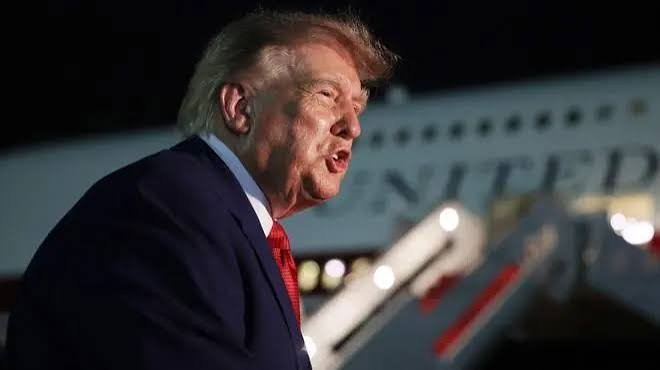
However, former U.S. President Donald Trump has insisted that communication channels remain open and that discussions have not completely collapsed.
Nevertheless, repeated military incidents continue to undermine confidence in the diplomatic process.
Regional Security Concerns Grow
Several Gulf nations have expressed concern over the renewed escalation. Kuwait condemned the attacks targeting its territory and reaffirmed its commitment to regional stability.
Additionally, military installations across the Gulf have increased security measures amid fears of further missile or drone attacks. Governments in the region are working closely with international partners to monitor the situation and prevent a wider conflict.
As a result, the Gulf remains on high alert while diplomatic and military developments continue to unfold.
Global Impact of the Crisis
The confrontation is attracting worldwide attention because of its potential impact on energy markets, trade routes, and geopolitical stability. Investors and policymakers are watching closely as renewed hostilities threaten one of the world’s most strategically important regions.
Furthermore, international organizations have called on both sides to exercise restraint and prioritize diplomacy over military action. Many fear that continued escalation could trigger a broader regional crisis.
Conclusion
The U.S. strike on an Iranian military facility following missile attacks toward Kuwait and Bahrain marks another dangerous chapter in the ongoing Gulf crisis. While American and allied defense systems successfully intercepted most threats, the exchange highlights the fragile security situation in the region.
Ultimately, the coming days will be crucial in determining whether diplomatic efforts can reduce tensions or whether the conflict moves toward a more serious regional confrontation.