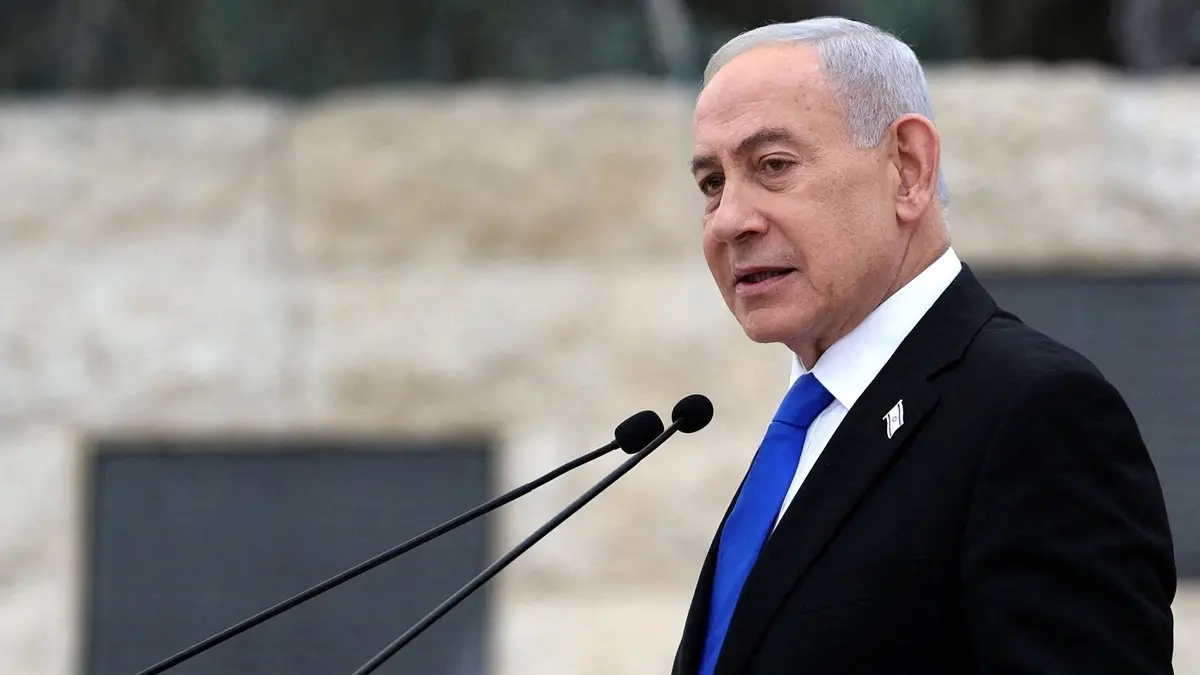
Israel Orders Major Expansion of Ground Operations in Lebanon
Israeli Prime Minister Benjamin Netanyahu has ordered a deeper military incursion into southern Lebanon, signaling a significant escalation in Israel’s ongoing campaign against the Iran-backed militant group Hezbollah. The move comes despite earlier ceasefire efforts and growing international concern over rising violence in the region.
According to reports, Netanyahu instructed the Israeli military to expand its ground operations and strengthen control over areas previously used by Hezbollah. The decision follows continued cross-border rocket and drone attacks targeting northern Israel.
The latest escalation marks one of the deepest Israeli military advances into Lebanese territory in more than two decades.
Israeli Forces Capture Strategic Beaufort Castle
One of the most significant developments in the operation has been the capture of the historic Beaufort Castle, a strategic hilltop fortress in southern Lebanon. Israeli troops also secured the surrounding Beaufort Ridge, which provides a commanding view over parts of southern Lebanon and northern Israel.
Military officials described the location as strategically important because Hezbollah allegedly used nearby areas for launching rockets, drones, and surveillance activities.
Netanyahu reportedly described the seizure of the area as a major step in expanding Israel’s security presence along the border region.
Hezbollah Attacks Trigger New Offensive
The expanded military operation follows one of the heaviest days of Hezbollah attacks on northern Israel since the ceasefire announced earlier this year. Reports indicate that Hezbollah launched rockets and drones toward Israeli territory, leading to school closures and security restrictions in several northern regions.
Israeli officials argue that the offensive is necessary to eliminate Hezbollah’s military infrastructure and prevent future attacks against Israeli civilians.
Hezbollah, meanwhile, maintains that its operations are linked to broader regional conflicts involving Iran and Israel.
Civilian Displacement and Casualties Continue to Rise
The conflict has triggered a major humanitarian crisis across Lebanon. Reports suggest that more than 1.2 million Lebanese civilians have been displaced due to airstrikes, evacuation orders, and ground fighting since the escalation began.
Lebanese authorities report that thousands of people have been killed since the conflict intensified, while Israel has also reported military and civilian casualties from Hezbollah attacks.
Large-scale evacuation orders have been issued in southern Lebanon, forcing families to move toward safer areas as military operations continue.
International Community Expresses Concern
The deepening Israeli offensive has drawn criticism and concern from several international leaders and organizations. France has reportedly called for an emergency United Nations Security Council meeting to discuss the deteriorating situation in Lebanon.
European governments have also urged both sides to respect ceasefire arrangements and avoid actions that could trigger a wider regional conflict.
Diplomatic efforts aimed at reducing tensions have become increasingly difficult as military operations continue on both sides of the border.
Ceasefire Efforts Under Pressure
The latest offensive has placed additional strain on fragile ceasefire negotiations between Israel and Lebanon. While diplomatic talks have continued with international mediation, repeated violations and renewed attacks have weakened confidence in the truce process.
Analysts believe the situation remains highly volatile because broader tensions involving Iran, Hezbollah, Israel, and the United States continue to influence developments on the ground.
The possibility of further escalation remains a major concern for regional and international stakeholders.
Strategic Importance of Southern Lebanon
Southern Lebanon has long been a key battleground in the conflict between Israel and Hezbollah. The region’s mountainous terrain, border proximity, and network of military positions make it strategically important for both sides.
Israeli officials have repeatedly stated that their objective is to dismantle Hezbollah’s military capabilities and establish greater security for communities in northern Israel.
Military experts note that control over elevated positions such as Beaufort Ridge can provide significant tactical advantages in surveillance and defense operations.
Conclusion
Prime Minister Benjamin Netanyahu’s decision to deepen Israel’s military incursion into Lebanon marks a major escalation in the conflict with Hezbollah. With Israeli forces advancing further into southern Lebanon and Hezbollah continuing cross-border attacks, the situation remains highly unstable.
As international pressure grows and diplomatic efforts struggle to gain momentum, concerns continue to rise over the risk of a broader regional conflict and worsening humanitarian conditions in Lebanon.