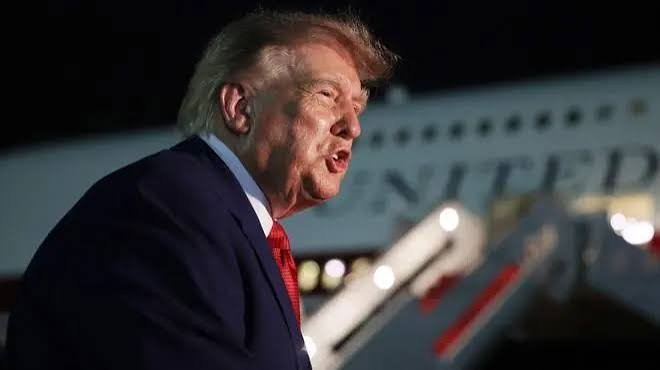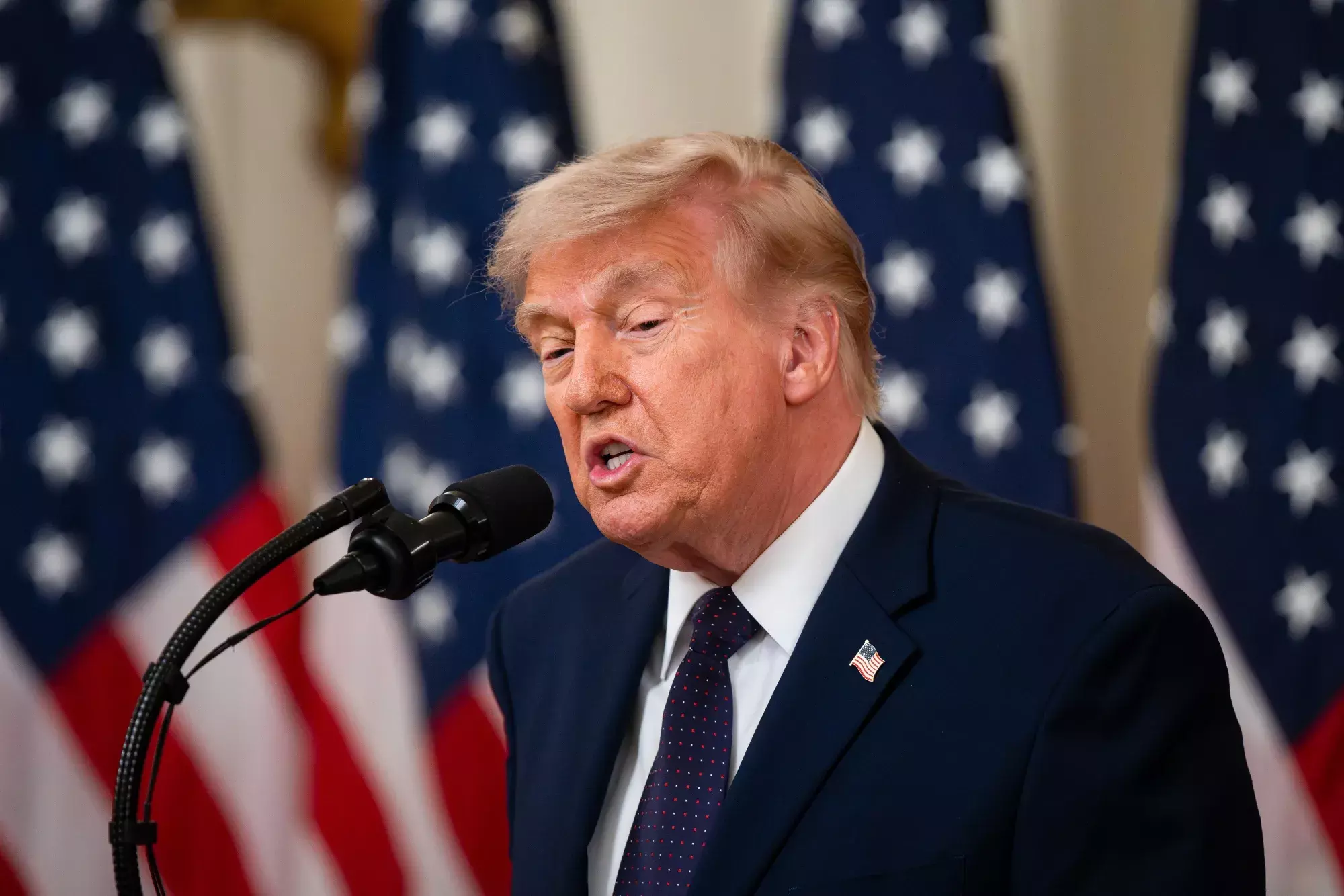
Trump Iran deal Abraham Accords expansion has become a major international discussion point after US President Donald Trump stated that any agreement aimed at ending the conflict involving Iran should also include additional countries joining the Abraham Accords.
The remarks came amid ongoing diplomatic negotiations involving Iran, the United States, and regional powers in the Middle East. Trump said the negotiations were “proceeding nicely” while pushing for broader regional normalisation agreements with Israel.
What Did Trump Say About the Iran Agreement?
According to reports, President Trump stated that any future agreement with Iran should involve several Muslim-majority nations joining the Abraham Accords framework.
Countries Mentioned by Trump
Trump reportedly referred to countries such as:
- Saudi Arabia
- Qatar
- Pakistan
- Turkey
- Egypt
- Jordan
He suggested that these countries should support or join broader regional normalization arrangements linked to Israel.
What are the Abraham Accords?
The Abraham Accords are US-brokered agreements introduced during Trump’s earlier presidency to normalize diplomatic relations between Israel and several Arab nations.
Purpose of the Agreements
- Promote diplomatic relations with Israel
- Improve regional economic cooperation
- Strengthen security partnerships
- Reduce tensions in the Middle East
The accords were first signed in 2020 by countries including the United Arab Emirates and Bahrain.
Why the Proposal Matters
Trump’s proposal connects ongoing Iran peace negotiations with broader Middle East diplomatic realignment.
Regional Significance
Expanding Diplomatic Cooperation
The proposal aims to create wider political coordination between Israel and regional nations.
Strategic Security Interests
The US sees broader regional cooperation as important for long-term stability in the Middle East.
Impact on Iran Negotiations
Linking the accords to Iran talks could complicate negotiations because several countries maintain sensitive political positions regarding Israel.
Analysts believe the proposal could face challenges due to existing geopolitical tensions.
Progress in Iran-US Negotiations
Recent talks between Washington and Tehran have reportedly shown movement toward a possible framework agreement.
Main Topics Under Discussion
- Ending military tensions
- Reopening the Strait of Hormuz
- Maritime security
- Economic and sanctions-related issues
However, officials from both sides have clarified that a final agreement has not yet been reached.
Challenges Facing the Proposal
Despite diplomatic activity, several hurdles remain.
Major Obstacles
Regional Political Sensitivities
Some countries continue to link normalization with Israel to progress on Palestinian statehood.
Iran’s Position
Iran remains critical of Israel and opposes many US-led regional security arrangements.
Domestic Political Pressure
The proposal has also reportedly faced criticism from some American political leaders favoring a tougher approach toward Iran.
Global Importance of the Talks
The negotiations are being closely watched worldwide because of their impact on energy security and regional stability.
Why the Talks Matter
- Stability in Middle East oil routes
- Impact on global crude oil prices
- Reduction in regional conflict risks
- Broader diplomatic cooperation in the Gulf region
Countries dependent on energy imports, including India, are monitoring developments carefully.
Conclusion
The development around Trump Iran deal Abraham Accords expansion highlights how diplomacy in the Middle East is increasingly interconnected with regional security, trade, and political alliances. While discussions between the US and Iran continue to progress cautiously, linking the agreement to wider Abraham Accords participation may add new diplomatic complexities.
As negotiations continue, the international community will closely watch whether broader regional cooperation can emerge alongside efforts to reduce tensions involving Iran.