US Claims It Is Nearing a Nuclear Agreement With Iran
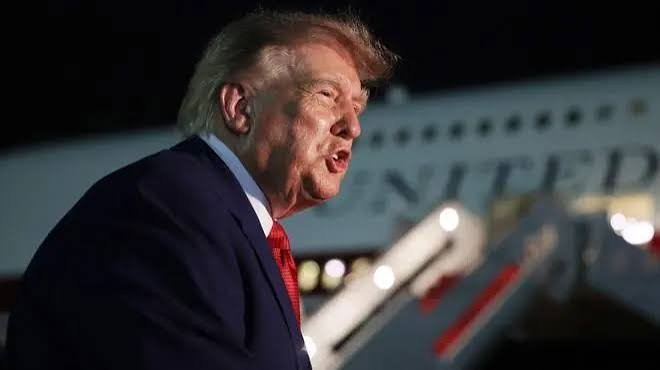
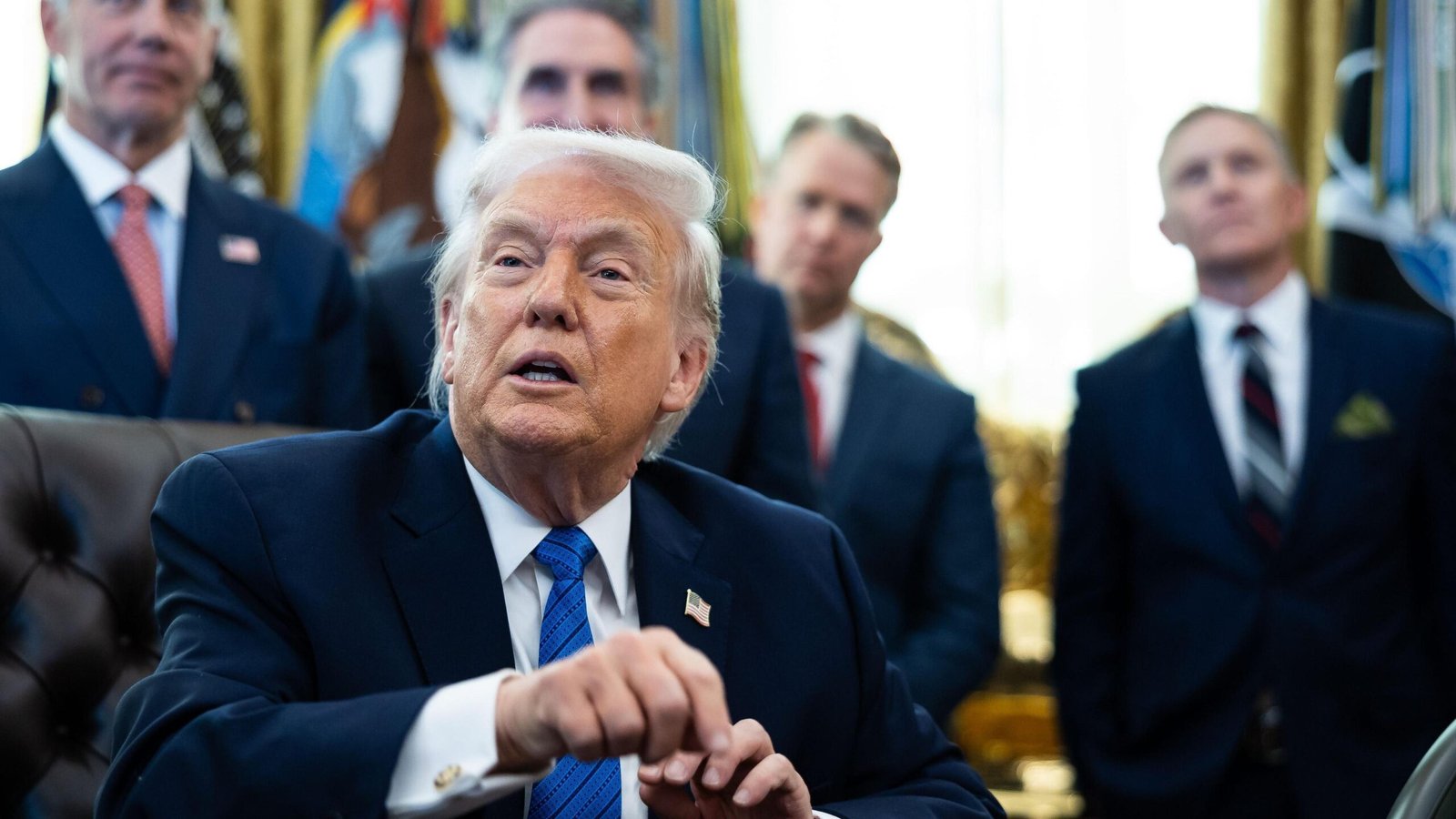
US President Donald Trump has said that Washington is getting closer to reaching a nuclear agreement with Iran, raising hopes for a diplomatic breakthrough after months of heightened tensions and negotiations. Speaking about the ongoing talks, Trump stated that there is a “very good chance” of securing a deal that would prevent Iran from developing nuclear weapons.
The remarks come amid continued discussions between American and Iranian negotiators over issues related to nuclear activities, sanctions relief, regional security, and maritime stability in the Gulf region.
Trump Emphasizes Iran Must Not Develop Nuclear Weapons
According to Trump, one of the primary objectives of the negotiations is ensuring that Iran permanently abandons any effort to acquire nuclear weapons. He said recent discussions have shown positive signs and suggested that Tehran has indicated willingness to move toward an agreement on nuclear restrictions.
The US administration has repeatedly stated that preventing Iran from becoming a nuclear-armed state remains a key national security priority.
However, several major issues, including uranium enrichment limits, sanctions, and verification mechanisms, are still under negotiation.
Military Action Warning if Talks Collapse
While expressing optimism about diplomacy, Trump also issued a strong warning that military action remains an option if negotiations fail.
US officials have made it clear that Washington is prepared to take tougher measures if an acceptable agreement cannot be reached. Defense officials recently stated that the United States remains fully capable of resuming military operations against Iran if diplomatic efforts break down.
Trump has previously stated that all options remain available to prevent Iran from developing nuclear weapons and has instructed military forces to remain prepared for potential action if necessary.
Major Issues Still Unresolved
Despite signs of progress, negotiations continue to face significant challenges. Reports indicate that several key issues remain unresolved, including:
- Iran’s uranium enrichment activities
- The future of Iran’s enriched uranium stockpile
- Economic sanctions relief
- Regional security arrangements
- Maritime access through the Strait of Hormuz
- Long-term monitoring and verification measures
Analysts note that both sides continue to hold differing positions on several of these matters, making a final agreement difficult to achieve.
Strait of Hormuz Remains a Critical Factor
The Strait of Hormuz continues to be one of the most sensitive aspects of the broader negotiations. The strategic waterway handles a major share of global oil exports, and recent military tensions in the region have increased pressure on both sides to find a diplomatic solution.
Reports suggest that discussions have included proposals related to maritime security, shipping access, and reducing military risks in the Gulf region.
Global energy markets are closely monitoring developments because any disruption in the Strait could affect oil prices and international trade.
Iran Remains Cautious
Iranian officials have responded cautiously to claims that a final agreement is near. While Tehran has acknowledged ongoing discussions, it has denied that a comprehensive deal has already been reached.
Iran continues to demand meaningful sanctions relief and guarantees regarding its economic interests and national sovereignty. Officials have also rejected certain US demands related to nuclear materials and regional security arrangements.
This cautious approach reflects the deep mistrust that continues to shape relations between the two countries.
Global Attention Focused on Negotiations
The outcome of the US-Iran negotiations is being watched closely across the world because of its implications for regional stability, nuclear non-proliferation, global energy supplies, and international security.
Experts believe that even if a preliminary agreement is reached, extensive negotiations will still be required to address long-term nuclear and security concerns.
The talks are widely considered one of the most important diplomatic efforts currently underway in the Middle East.
Conclusion
President Donald Trump’s statement that the United States is close to reaching a nuclear agreement with Iran has generated cautious optimism, but significant challenges remain before any final deal can be achieved. While diplomacy continues to be the preferred path, Washington has reiterated that military options remain available if negotiations fail.
As talks continue, the coming weeks could prove crucial in determining whether the two countries move toward a diplomatic breakthrough or face renewed confrontation in an already fragile region.