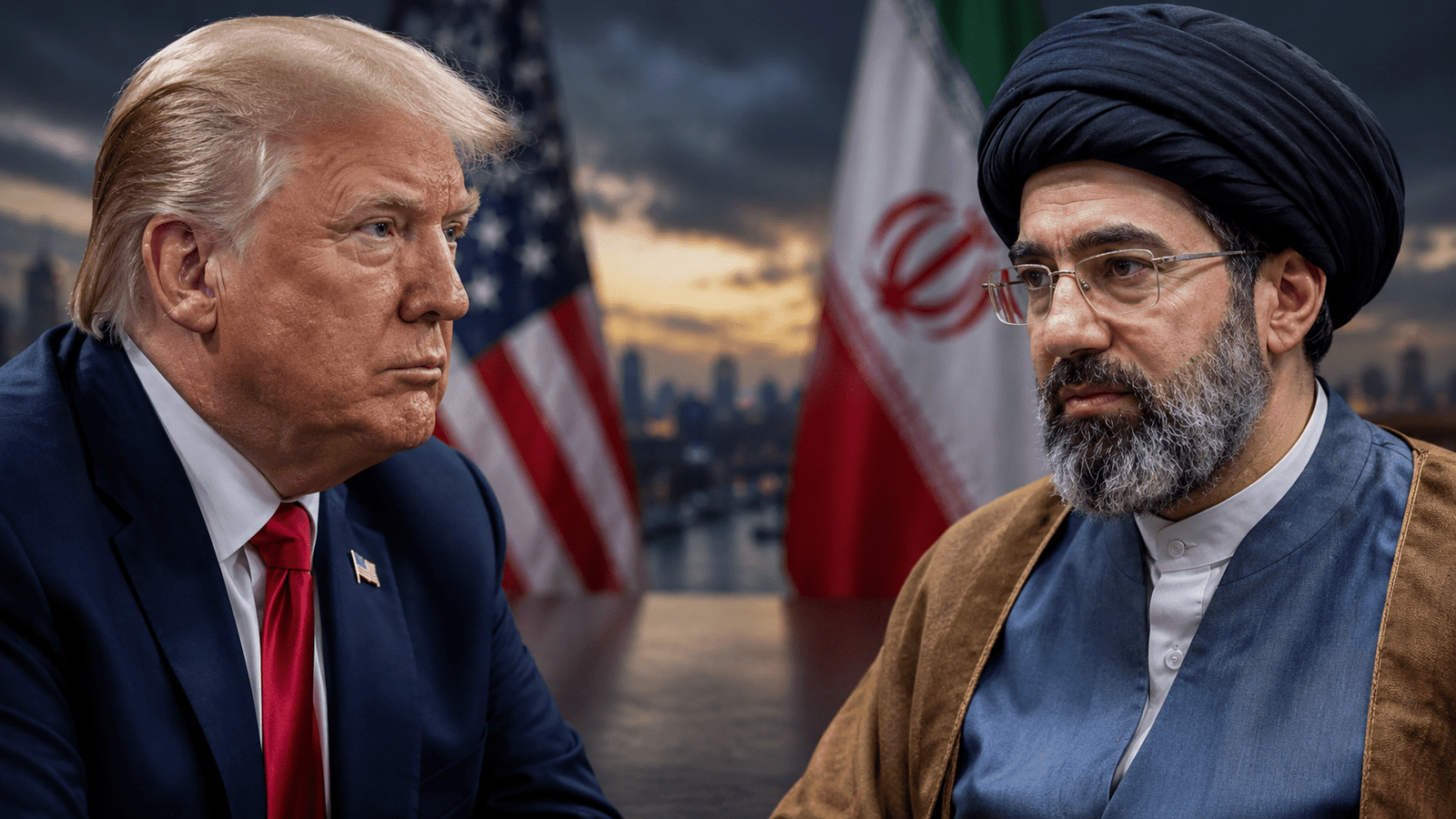
Historic Agreement Aims to End Months of Tensions
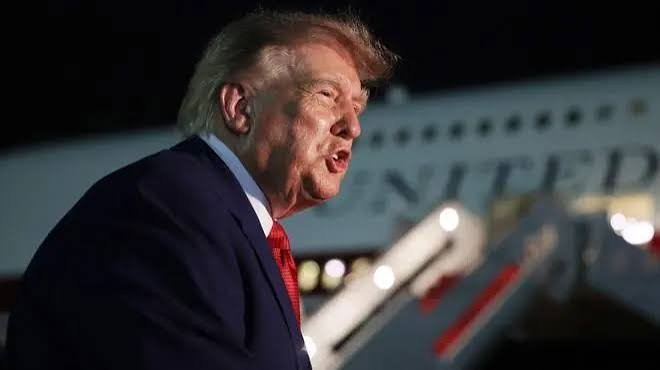
US President Donald Trump and Iranian President Masoud Pezeshkian have signed a landmark 14-point Memorandum of Understanding (MoU) aimed at ending the prolonged conflict in West Asia. The agreement seeks to restore stability in the region, reopen the Strait of Hormuz, and establish a framework for broader negotiations on security and nuclear issues.
Moreover, the deal marks the most significant diplomatic breakthrough between Washington and Tehran in years.
Iran Reaffirms No Nuclear Weapons Commitment
Under the agreement, Iran has pledged that it will neither develop nor acquire nuclear weapons. The two sides have agreed to work with international bodies, including the International Atomic Energy Agency (IAEA), to address unresolved issues related to Iran’s nuclear program.
Furthermore, both countries have agreed to continue negotiations over the next 60 days to finalize a comprehensive arrangement.
US Promises Sanctions Relief and Economic Support
In return, the United States has agreed to gradually ease sanctions and facilitate economic recovery measures for Iran. Reports indicate that the framework includes support for reconstruction and financial transactions amounting to nearly $300 billion through international partners and private investment.
As a result, Iran could regain broader access to global markets and revive its energy exports.
Strait of Hormuz to Reopen
One of the key elements of the agreement involves restoring normal maritime traffic through the Strait of Hormuz, one of the world’s most important oil transit routes. Iran has committed to ensuring safe passage for commercial vessels, while the US has begun easing restrictions around Iranian ports.
Consequently, global energy markets have responded positively, with oil prices declining amid expectations of improved supply conditions.
UN Welcomes Peace Initiative
The United Nations has welcomed the agreement and expressed hope that the framework will contribute to long-term peace and stability across West Asia. Secretary-General António Guterres urged all parties to honor their commitments and continue diplomatic engagement.
Additionally, several world leaders have praised the breakthrough as an opportunity to reduce tensions in the region.
Challenges Still Remain
Despite the agreement, major issues remain unresolved. These include verification mechanisms, the future of Iran’s enriched uranium stockpile, and long-term sanctions relief. Analysts caution that the hardest phase of negotiations is still ahead.
Therefore, the success of the agreement will depend on whether both sides can translate the memorandum into a durable and enforceable peace settlement.
Conclusion
The signing of the 14-point peace deal by President Donald Trump and President Masoud Pezeshkian represents a major step toward ending months of conflict in West Asia. With commitments on nuclear non-proliferation, sanctions relief, and maritime security, the agreement has raised hopes for regional stability.
Moreover, the coming weeks will determine whether this framework evolves into a lasting peace accord capable of reshaping geopolitical dynamics across the Middle East.